News

AI symposiom
Source:
UCSF BCHSI
August 19, 2026
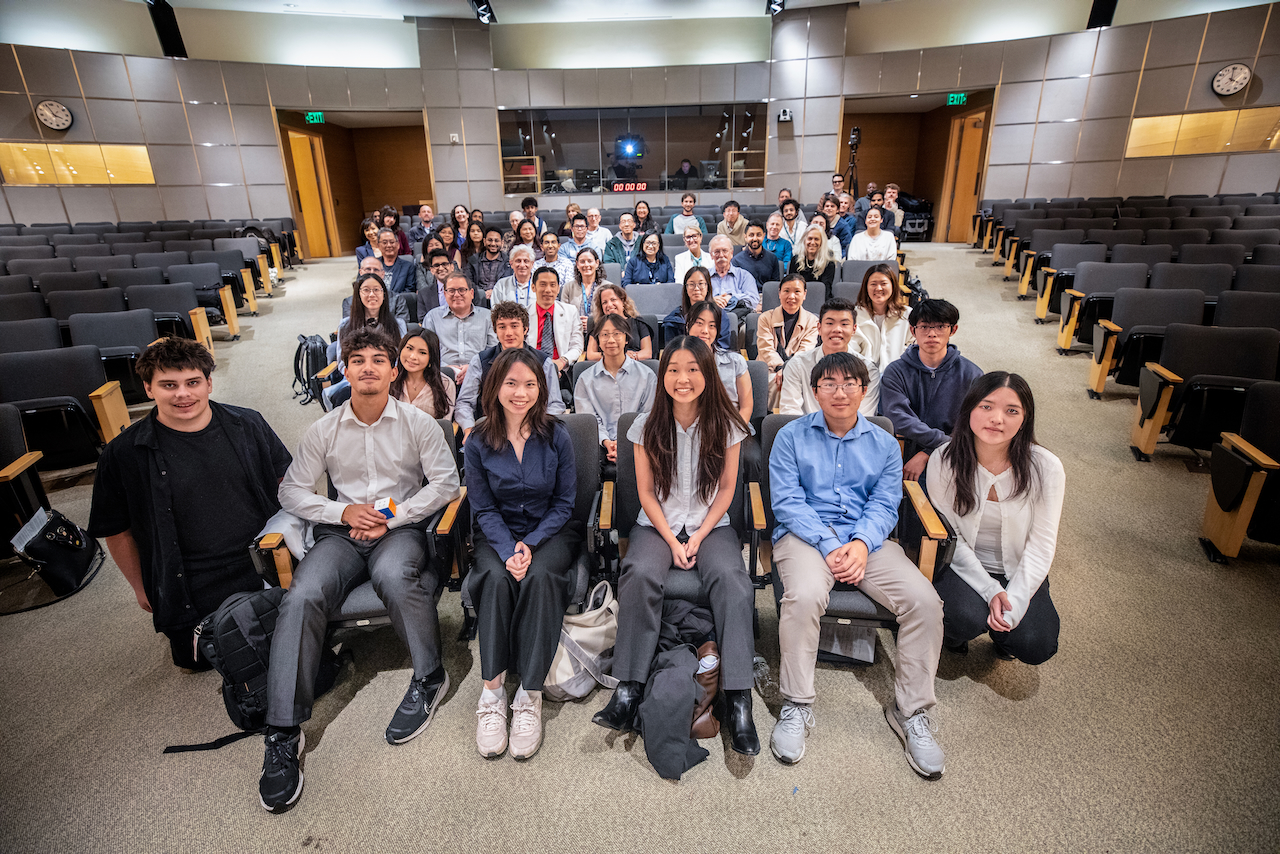
group shot
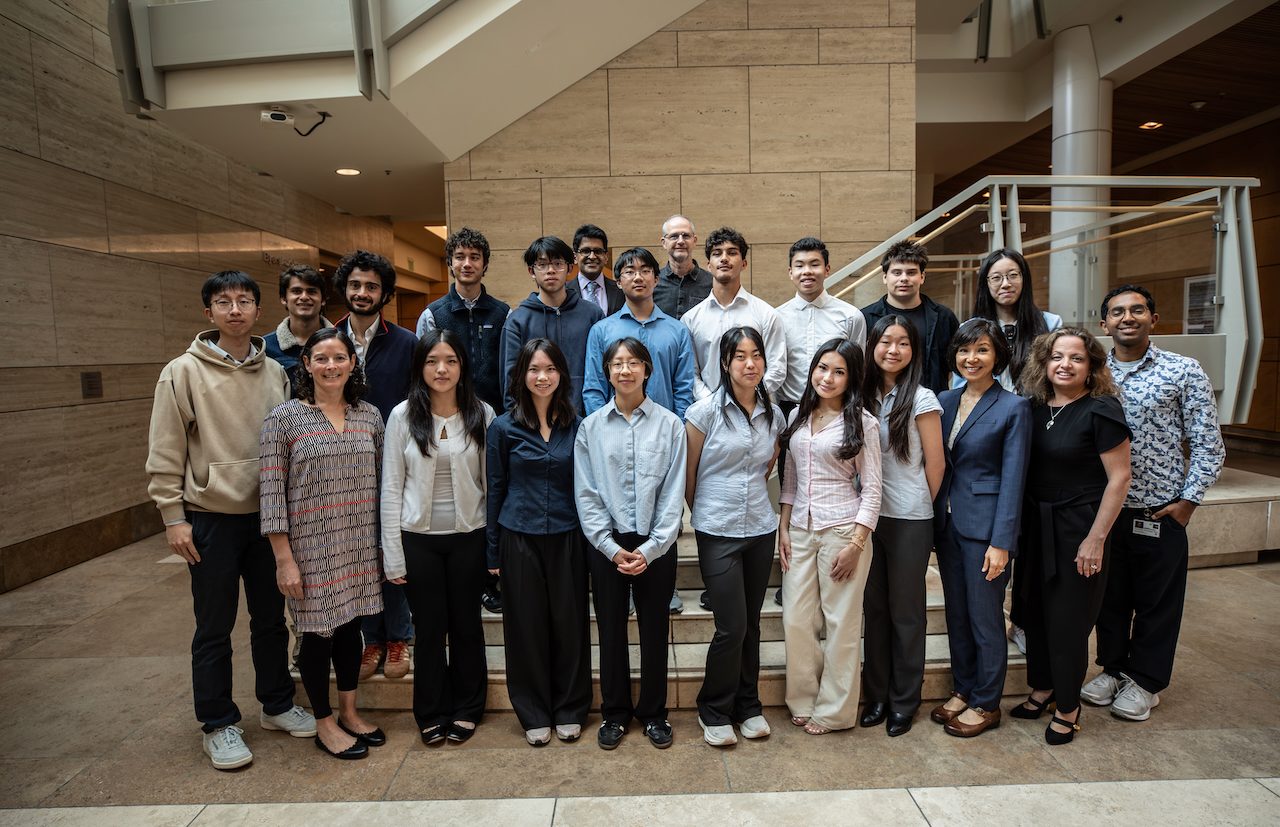
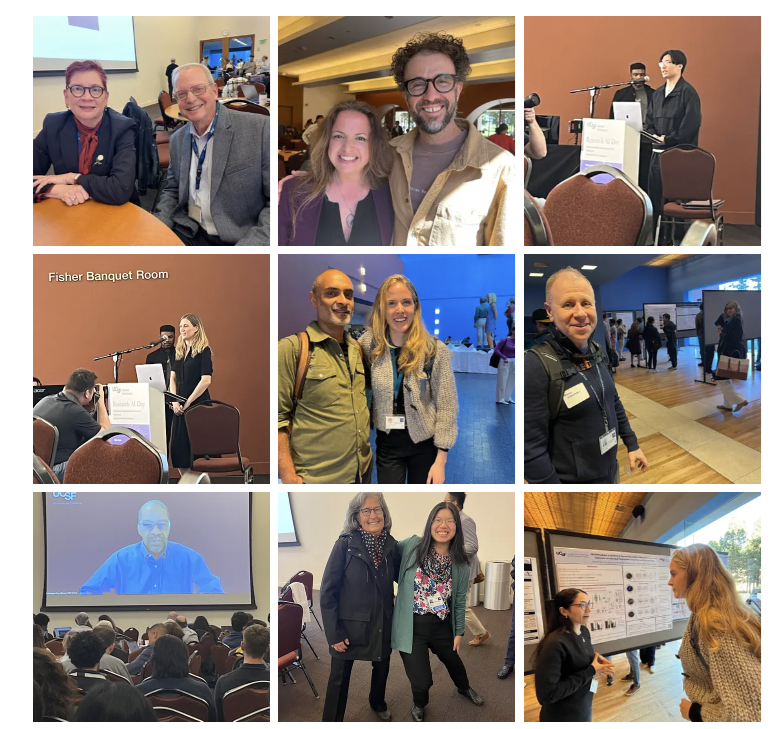
Students, Faculty mentors and AI4ALL Leadership. Photos by Brian Feulner.


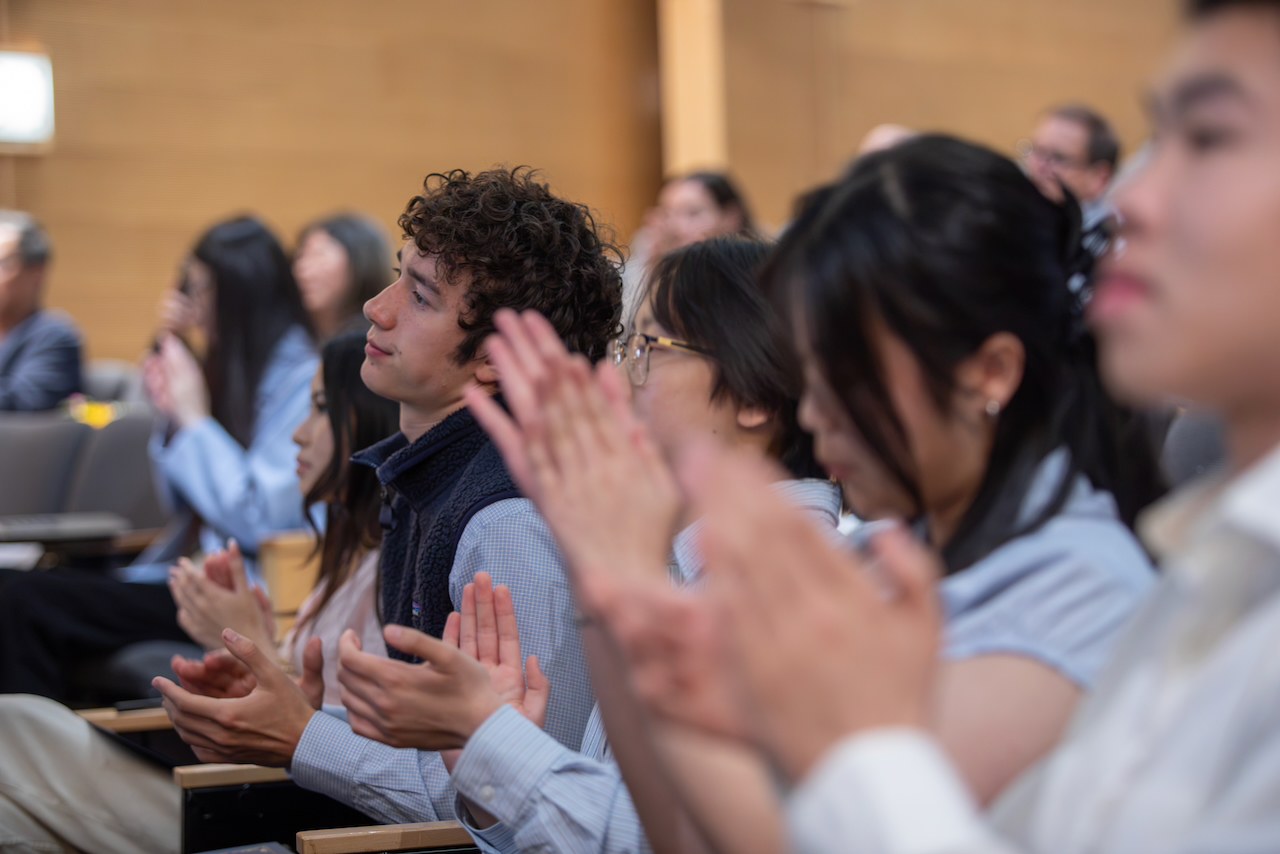
More than 100 students, families, faculty, mentors, and members of the UCSF community gathered at Mission Bay on Friday, August 14, for the 2026 UCSF AI4ALL Symposium, celebrating the accomplishments of this year’s program participants.
 

UCSF AI4ALL, founded in 2019, is now a collaborative initiative of the Division of Clinical Informatics and Digital Transformation (DoC-IT), the Institute for Human Genetics (IHG), and the Bakar Computational Health Sciences Institute (BCHSI). Together, these groups bring complementary expertise in clinical informatics, genetics, computational biology, and data science to create an immersive summer program introducing high school students to the rapidly evolving intersection of artificial intelligence, data science, and biomedicine.
 

Moving beyond the traditional “wet lab” model of research, the program gives students hands-on experience using computational approaches to address real-world questions in health and medicine. During the summer, students were paired with UCSF faculty and research teams to explore a topic of interest and develop their own research projects.


The afternoon began with a welcome from AI4ALL Founding Director Marina Sirota, PhD, Professor of Pediatrics and Interim Director of BCHSI. Sirota reflected on the program’s evolution and growth, highlighted the partnership among DoC-IT, IHG, and BCHSI, and recognized the faculty, mentors, staff, families, and supporters whose contributions have enabled the program to thrive.


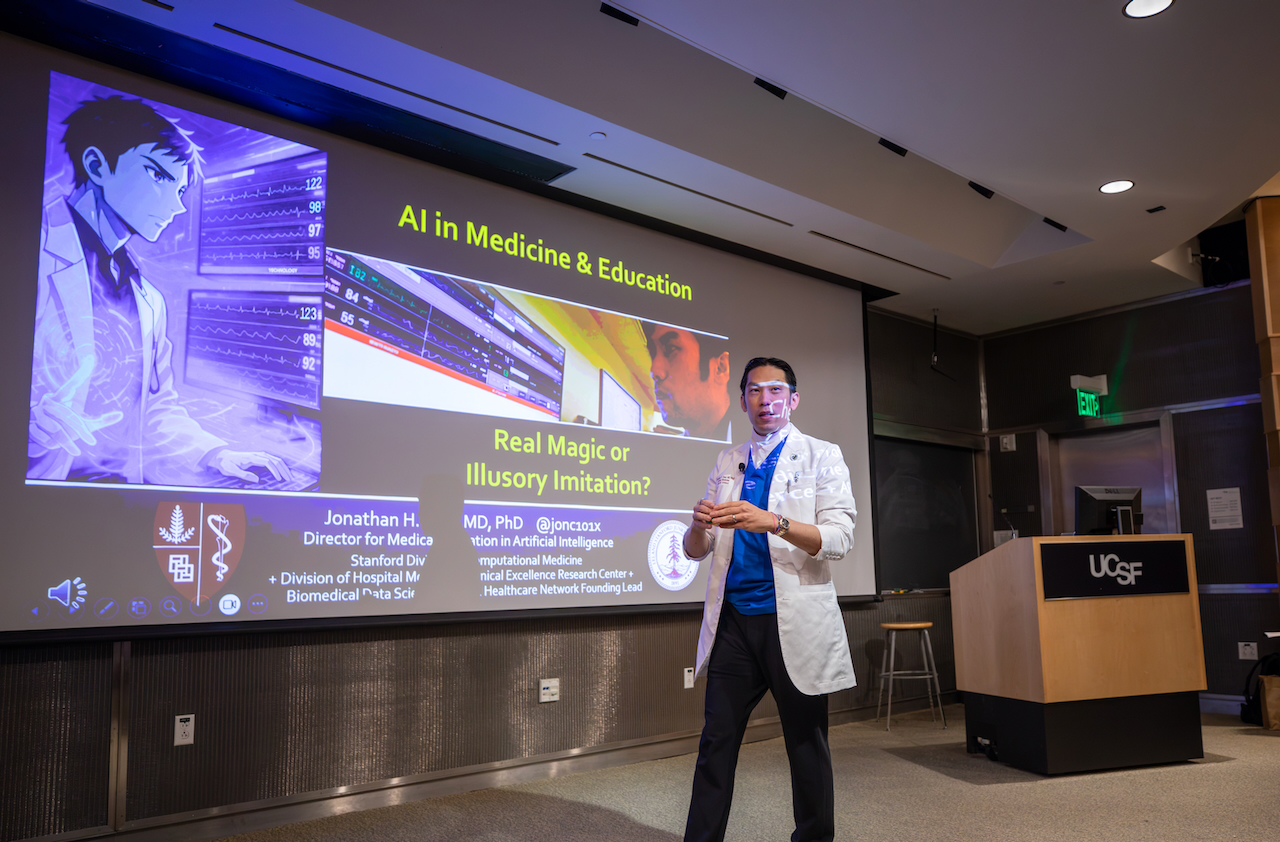
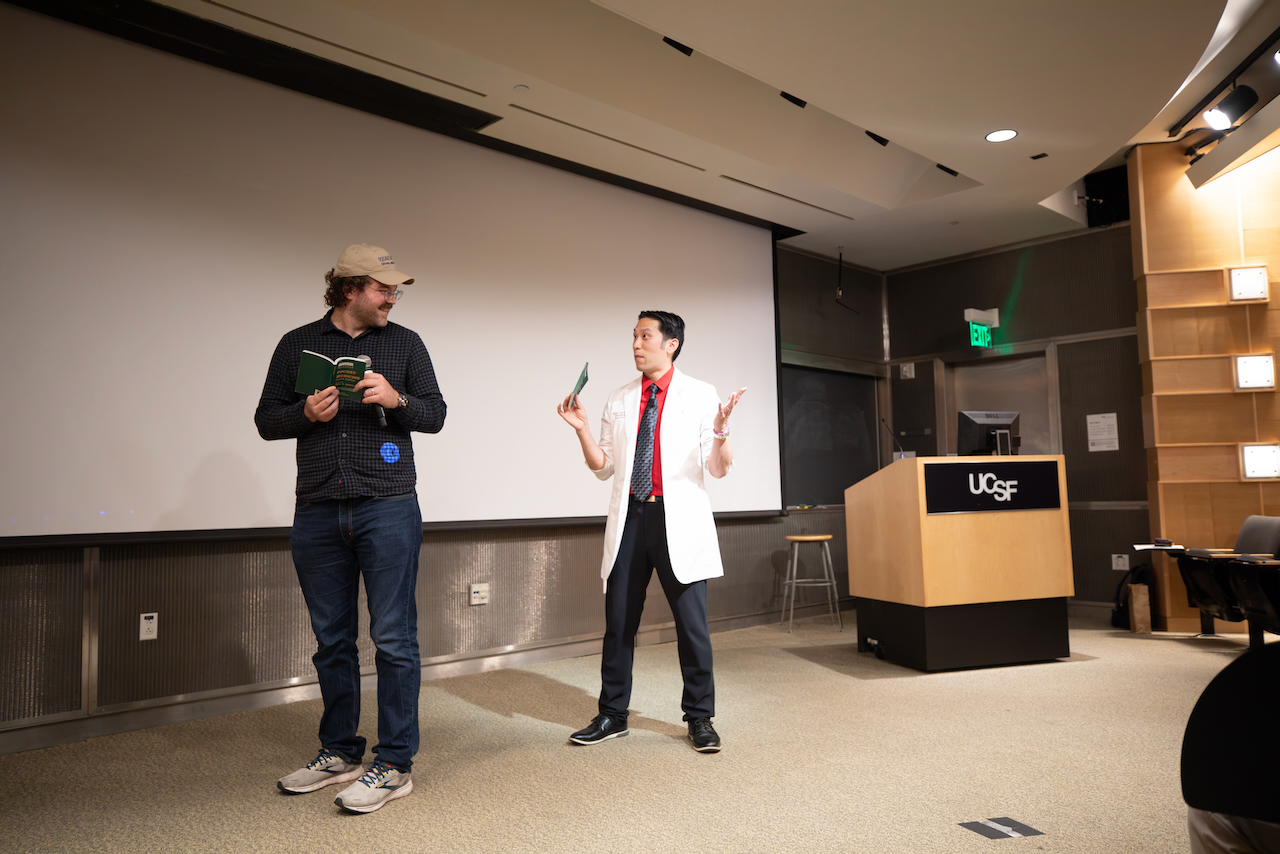
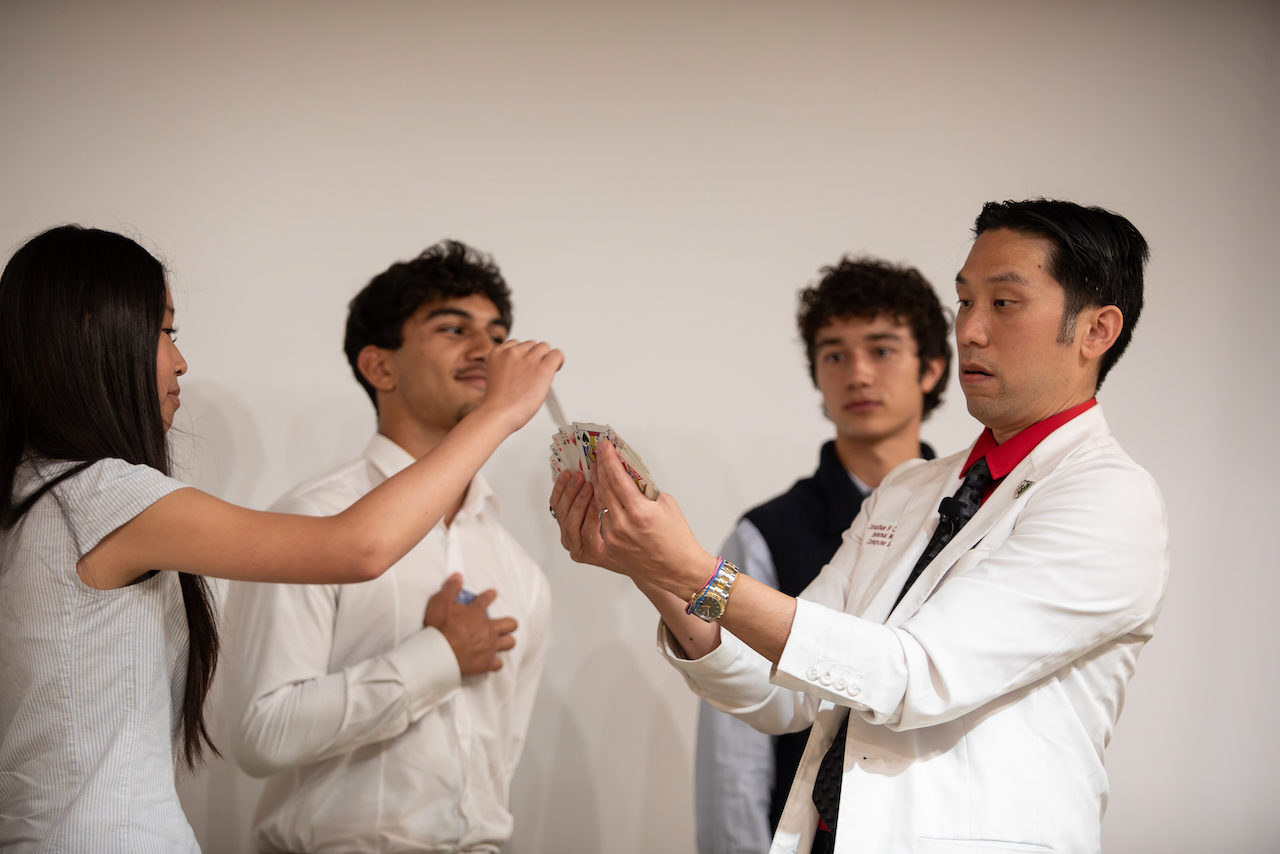
The keynote address was delivered by Jonathan H. Chen, MD, PhD, Associate Professor and Director of Medical Education in Artificial Intelligence in Stanford’s Division of Computational Medicine. In his talk, “AI in Medicine and Education: Real Magic or Illusory Imitations,” Chen explored the expanding role of AI across medicine, biomedical research, and education—from diagnostic applications to communication and empathy at the bedside. Blending science with music, magic, and optical illusions, his dynamic presentation invited the audience to consider both the remarkable potential of AI and the importance of critically evaluating what these technologies can and cannot do.


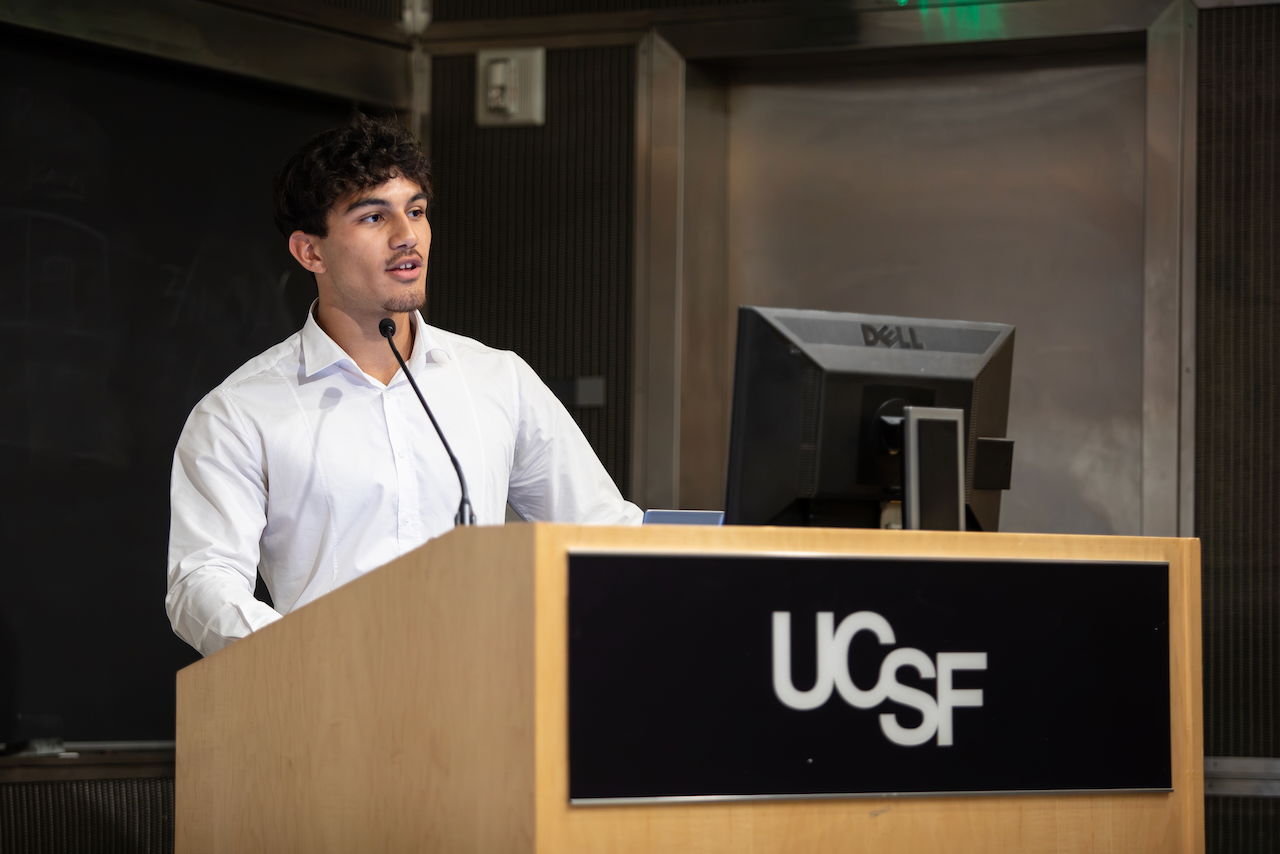
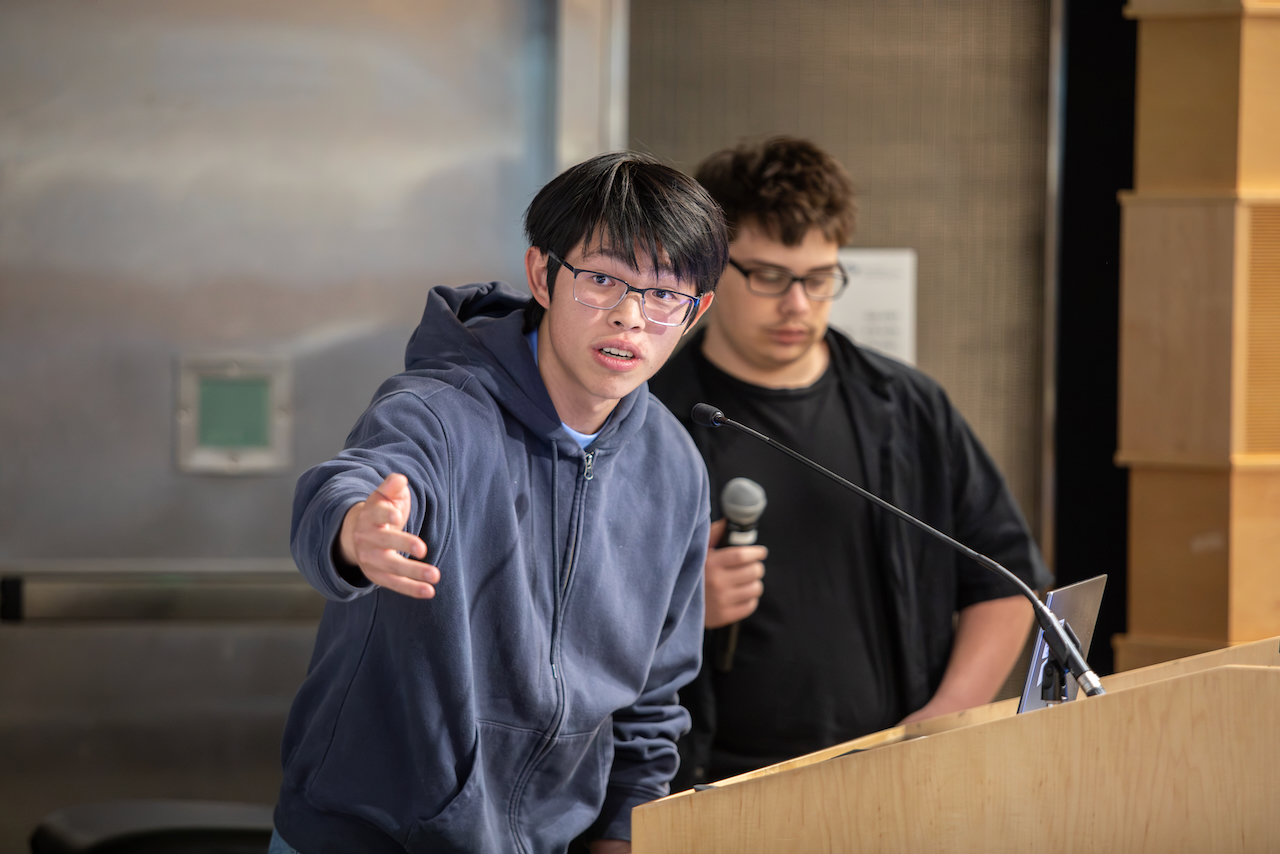
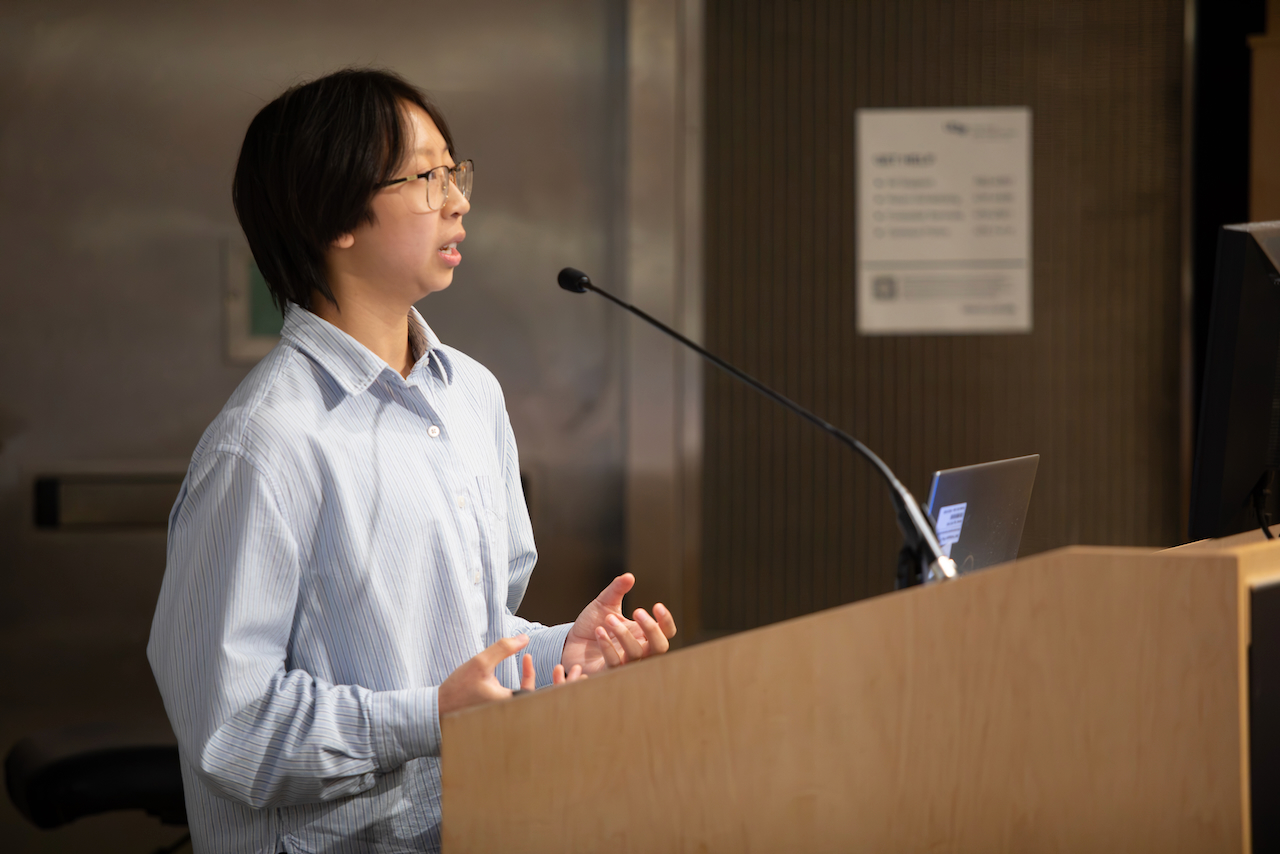
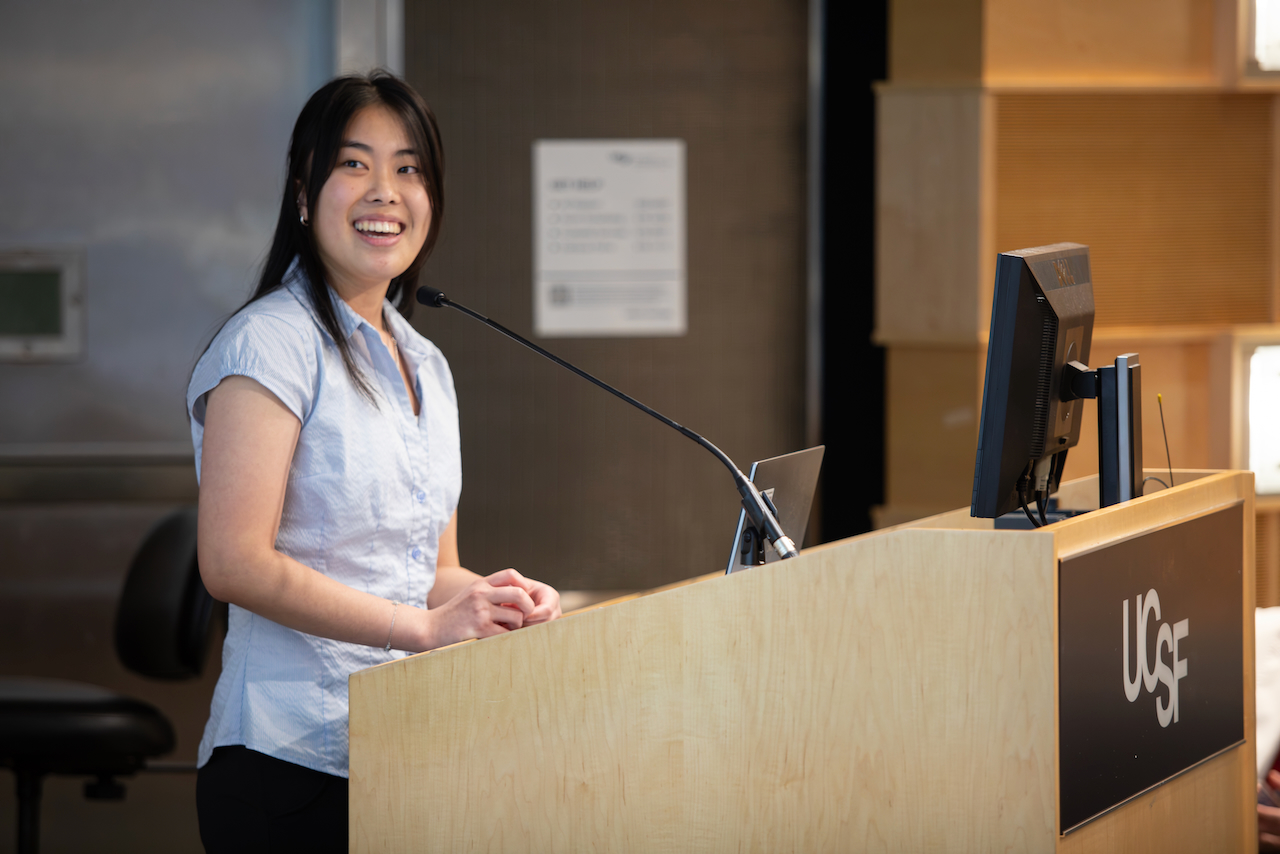
The centerpiece of the symposium was the student research presentations. Twelve high school students from San Francisco Unified School District (SFUSD) shared projects spanning genomics, drug discovery, large language models, clinical prediction, health data, and social computing. 


Their presentations included (Student, Faculty, Topic):


1. Kamronbek Ibatov,    PI: Nadav Ahituv, Genomic AI for Classifying Cardiac Conditions
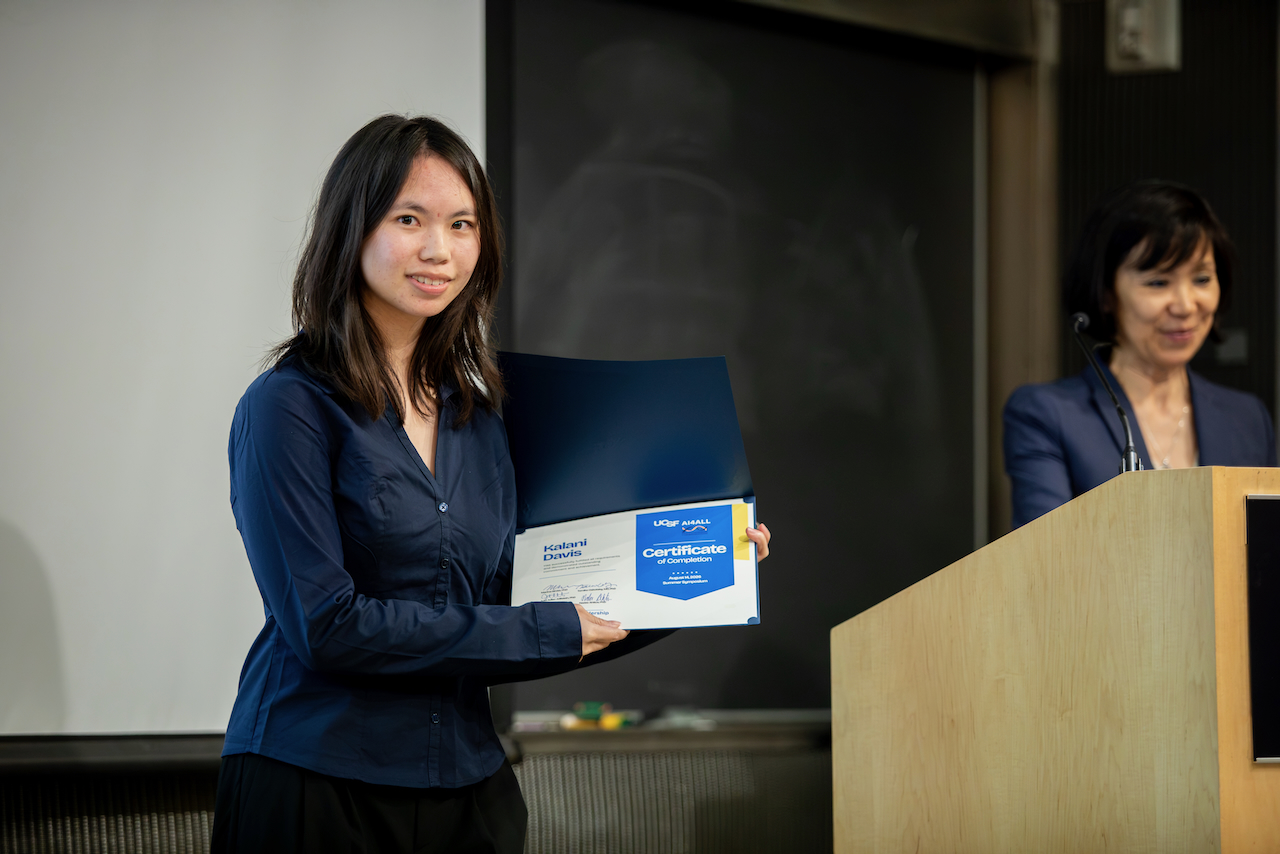
2. Kalani Davis,    PI: Marina Sirota, Cell-Type Specific Drug Repurposing for Endometriosis Leveraging Single-Nuclei RNA Sequencing Data
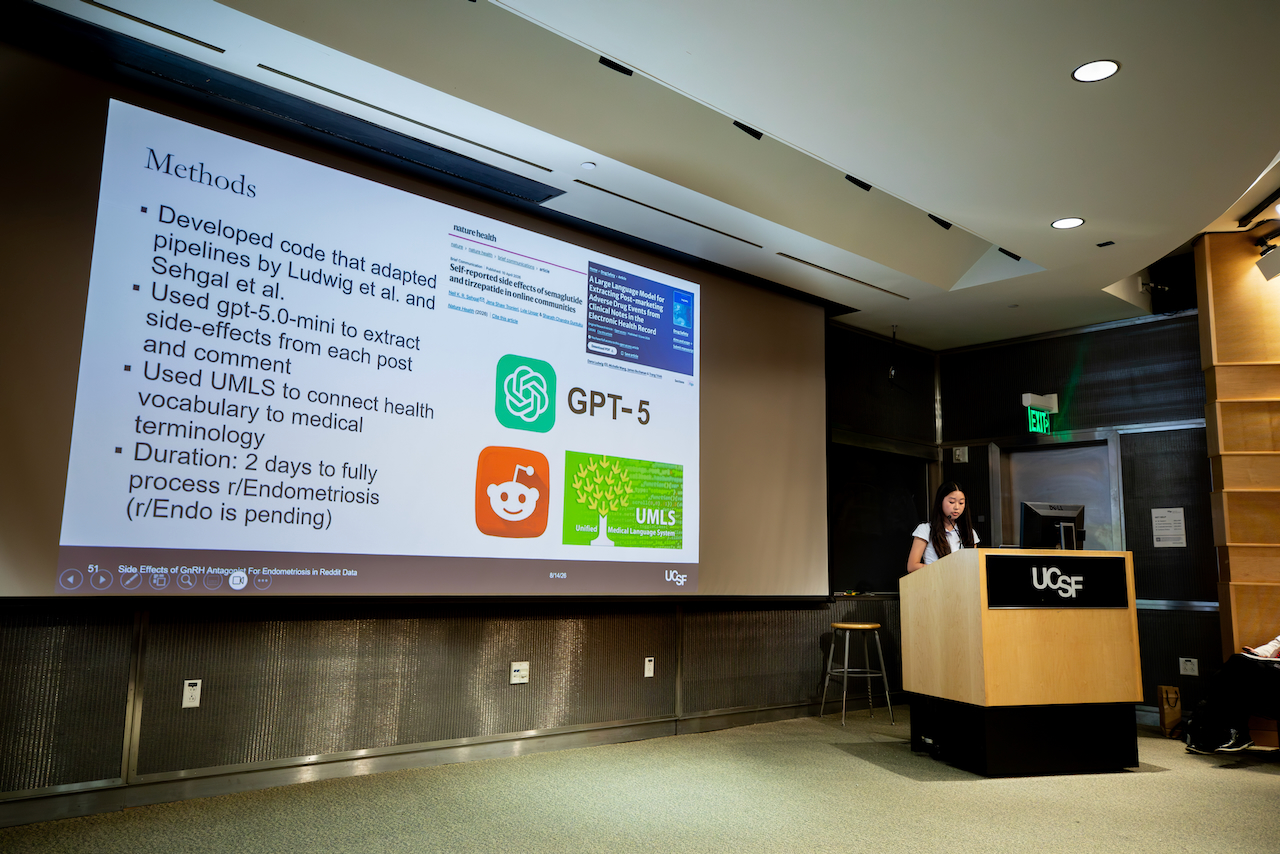
3. Helen Duan,    PI: Tomiko Oskotsky, Leveraging AI to Evaluate Self-Reported Side Effects of GnRH Antagonists for Endometriosis in Reddit Communities
4. Ryan Chen,   PI: Sergio Baranzini, Mapping Multiple Sclerosis Trajectories Through Clinical Records and Biological Networks
5. Kaitlyn Hau,   PI: Pedro Pinheiro-Chagas, Evaluating Psychiatric Symptom Progression in Dementia Patients Using LLM
6. Justin Kuang & Noah Kueffel,   PI: Peter Washington,  Autoregressive Telemetry Foundation Models for Actionable Prediction of Clinical Deterioration
7. Jessica Lu,  PI:  Raman Khanna,  Assessing Eligibility of Patients with GPA for Avacopan Using a Large Language Model
8. Nicholas Goggin,  PI:  Xinran Liu, Using Artificial Intelligence to Determine Medication Eligibility for Patients with Hypertrophic Cardiomyopathy
9. Camille Chew,  PI: Julian Hong, Lost Between the Lines: How AI and Clinical Notes Can Predict Cancer Early
10.    Miley Huang, PI: Julia Adler-Milstein, HCBS (Home and Community-Based Services) Organizations — Closing the Data Gap
11. Anthony Guan,  PI:  Sachin Pendse, "I Have Big Money Which Means Big Stress”: Examining Teen Discourse Around Prediction Markets in Online Communities


Together, the projects demonstrated both the breadth of contemporary AI research and the creativity with which young researchers can approach important questions in human health. The symposium provided students with an opportunity not only to present their findings, but also to engage with scientists, clinicians, families, and peers and envision future paths in science, medicine, technology, and AI.


The program is led by Marina Sirota, PhD, Professor and Interim Director of the Bakar Computational Health Sciences Institute and AI4ALL Founding Director; Julia Adler-Milstein, PhD, Professor and Chief of the Division of Clinical Informatics & Digital Transformation; Nadav Ahituv, PhD, Professor and Director of the Institute for Human Genetics; Raman Khanna, MD, Professor and Medical Director of Inpatient Informatics; and Tomiko Oskotsky, MD, Associate Professor in the Division of Clinical Informatics & Digital Transformation and our incredible Admin Team which includes Ana Maria Deluca, Edna Rodas, Angela Rizk-Jackson (BCHSI), Stephanie Chuc (Doc-IT), Tiffany Lai (IHG) and Gato Gourley (Doc-IT).


We extend our sincere thanks to the leadership team, faculty mentors, staff, families, supporters, and, most importantly, the students who made the 2026 UCSF AI4ALL program and symposium such a success.


Watch Symposium video here: https://www.youtube.com/live/mbLZw3wCZx8 | Event website


Photo Highlights - Photography by Brian Feulner:


jon chen


jon chen 
card trick
high school presenter
group shot
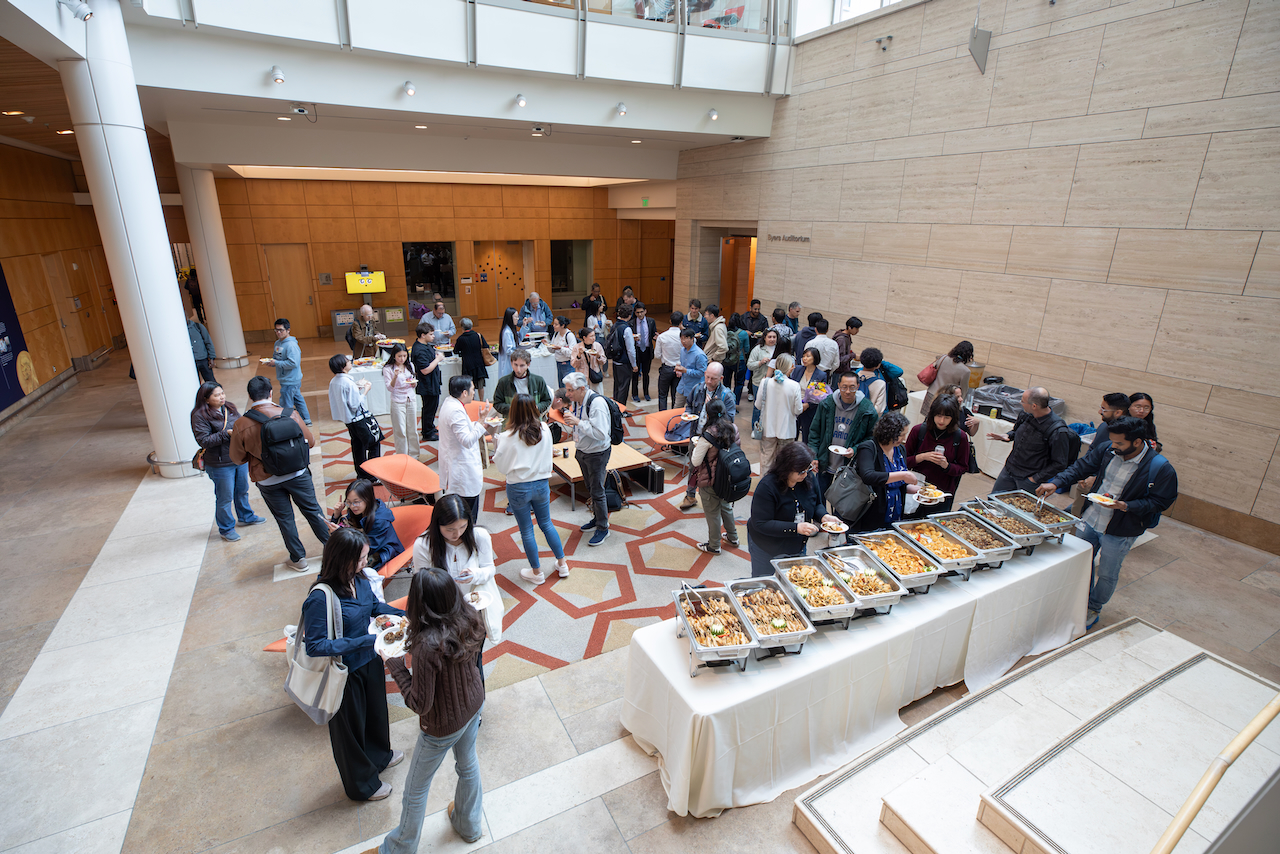
reception


Presentation Image
Source:
By Laurel Skurko
July 30, 2026
memorial slide show


Through the voices of family, friends, colleagues, students, and collaborators, this retrospective reflects on the first year after Dr. Atul Butte's passing and the enduring impact of his life and work.

Few modern scientists and entrepreneurs have made as broad an impact - or bridged as many domains - as Atul Butte, MD, PhD (1969-2025). He connected computer science and medicine, academia and industry, research and patient care, helping pioneer the modern field of computational health. He demonstrated how health and medical data could be used in new ways to understand and treat disease. Under his leadership, UCSF and the University of California system became a global hub for artificial intelligence, biomedical data science and precision medicine. In a 2022 holiday message to his team, Dr. Butte wrote, “I can’t wait to see how we change the world together,” reflecting his uniquely bold thinking and collaborative spirit. Now, one year after his passing following a 2.5-year battle with cancer, his colleagues are continuing to advance his vision with the same positive energy and sense of purpose.


Looking Back—and Looking Forward


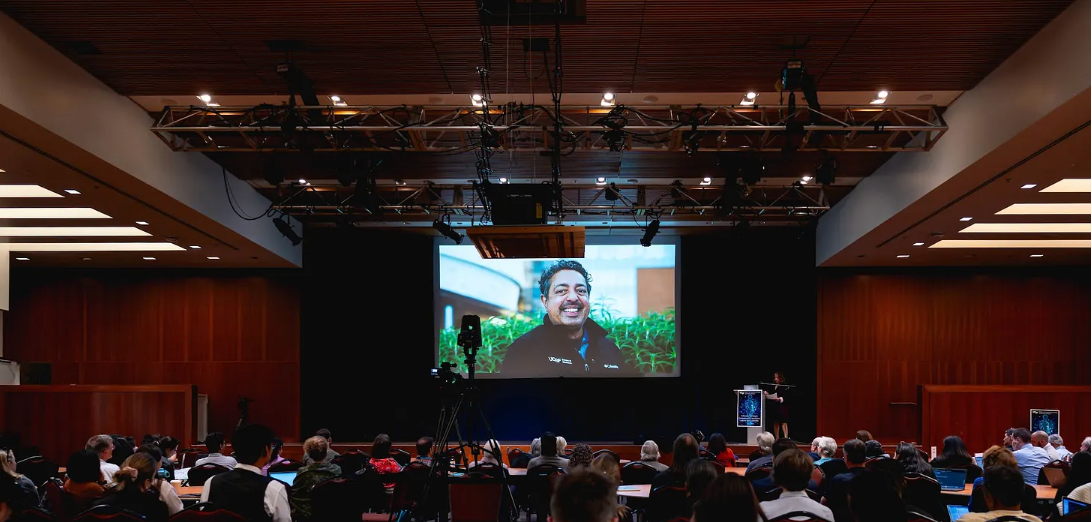
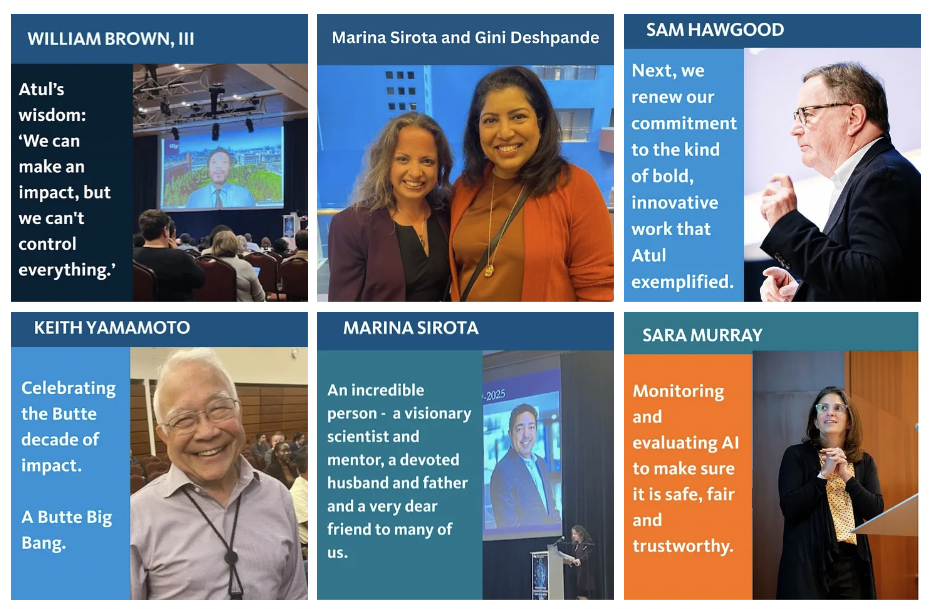
As UCSF Chancellor Sam Hawgood, MBBS, solemnly affirmed during last summer’s 10-year anniversary celebration of the Bakar Computational Health Sciences Institute (BCHSI), which Dr. Butte directed:


“Next, we renew our commitment to the kind of bold, innovative work that Atul exemplified.”


In the past year, Dr. Butte’s colleagues from across the San Francisco Bay Area, the nation and the world, have organized numerous events, recorded interviews, and shared their tributes, honoring his legacy. In doing this, the global community gleaned unique insights into the combination of factors that drove Atul Butte’s ability to innovate. These factors centered around his leadership, but also included the relationships he formed with both people and institutions, as well as the timing of advances in the tech industry and medicine that fueled Dr. Butte’s work.


group shots collageDr. Butte laid important groundwork, educating and involving his colleagues each step of the way, helping ensure continuity long before his cancer diagnosis. Marina Sirota, PhD, whom Dr. Butte mentored, and who was later appointed as interim director of the UCSF Bakar Computational Health Sciences Institute (BCHSI), reiterated the community’s commitment to his work in this poetic statement about Dr. Butte:  


“A call to lead. A call to give. His legacy will grow and live.”


Reflecting Dr. Butte’s optimistic and forward-looking mindset, Vivek Rudrapatna, MD, PhD, director of the UCSF Center for Real World Evidence, shared a provocative question: 


“And so the question that I want to ask all of you is, ‘What could this look like in another 10 years?’”


The following provides a summary of the events, along with a list of publications, interviews, and other resources created by Dr. Butte's colleagues over the past year. Together, they celebrate Dr. Butte's decade of leadership at UCSF, his 30-year career spanning many of the nation's leading medical schools, and the vision he laid out for the future. 


We invite you to review these materials, imagine what the next decade of computational health could become and, if inspired, support the Dr. Atul Butte Memorial Fund for MPNST Research - Giving to UCSF. 


Events and Publications 2025-2026 - Commemorating and recommitting

(Events, publications, interviews, awards, and resources.)


Below, please find a recap of the seven events and other resources that were created in the year after Atul Butte passed away. The events focused on Dr. Butte’s life and legacy, in addition to two new traditions, both of which are awards programs - one honoring companies, and the other individuals. Please scroll below to find hyperlinks with highlights of each of these inaugural Atul Butte awards programs.


As one speaker noted at the first public event honoring Dr. Butte last June, “This is Atul Butte,” and this will not be the end of many conversations and ideas to come. Indeed, there were more events that followed over the course of the last year. In addition to the public events covered in the hyperlinks below on the West Coast, on the East Coast, events dedicated to Dr. Butte were hosted at Massachusetts Institute of Technology (MIT), Memorial Sloan Kettering (MSK), and New York University (NYU).

As you read and listen to the voices of those speaking about him and on his behalf over the past year, you will have an even better sense of the special person he was and where the new field he created - computational health - and his colleagues in the domain - are heading next to build upon Dr. Butte’s legacy and vision.

Events 2025-2026


  1. Immediate Remembrance Ceremony - June, 2025
    1. Atul Butte Celebration of Life at Stanford University, June 21, 2025: Dr. Butte’s family and colleagues opened their doors to celebrate the life of Atul Butte one week after he lost his life to a rare cancer.
    2.  
  2. Impact review - August, 2025 - January, 2026
    1. A Decade of Impact: Celebrating Atul Butte and BCHSI at 10 years, UCSF BCHSI, August 19, 2025: The community celebrated the 10-year anniversary of BCHSI, of which he was the founding director, sharing department accomplishments and the unique qualities of its leader for the past 10 years - Dr. Butte. Please also reference: Key quotes shared by UCSF leaders about Atul Butte’s leadership during the BCHSI @ 10 year event, August 21, 2025.
    2. Building on a Legacy of Actionable Data Science in Medicine, October 31, 2025: Marina Sirota, PhD and Julian Hong, MD, hosted a tribute to Atul Butte AI Seminar to wrap up the academic year. They shared the impact Atul Butte had on the field and on their individual careers.
    3. Pacific Symposium on BioComputing, The Teri E. Klein lecture, “From Data to Knowledge: AI, Clinical Data and Multi-Omics for Precision Health, delivered by Marina Sirota, PhD, and dedicated to Atul Butte, January 4, 2026:  The lecture illustrates how Dr. Butte’s pioneering work transformed biomedical data into knowledge that advances precision medicine through AI, multi-omics, open science, mentorship, and entrepreneurship.
    4.  
  3. Building a legacy through a continued vision and celebrating companies and people who embody this - January - March, 2026
    1. Atul Butte Company Competition at PMWC, hosted by BCHSI, January 7, 2026: BCHSI hosted the inaugural Atul Butte Company Competition at the Precision Medicine World Conference, with 21 semi finalists and five finalists.
    2. Catalyst Rare Disease Program 2025, UCSF Innovation Ventures, February 12, 2026: Dr. Butte’s wife, Tarangini (Gini) Deshpande, PhD, shared the challenges of researching and responding to rare conditions as she and her husband experienced with his particular case. She presented their renewed commitment to “scalable privilege.”
      1. Please also visit: Fireside Chat: Atul Butte’s legacy in rare cancer and “scalable privilege”, UCSF Innovation Ventures, March 2, 2026 [RECORDING]
    3. Atul Butte Individual Awards Program honors a UCSF student and UCSF fellow during AI Research Day at UCSF, hosted by BCHSI, March 11, 2026:  BCHSI hosted the inaugural Atul Butte Student and Fellows Awards program during AI Research Day at UCSF on March 11, 2026.


Press/Tributes 2025-2026 - Highlights 


  1. Publications and recordings - June - October 2025
    1. Remembering Atul Butte, MD, PhD, Office of the Chancellor, Sam Hawgood, June 16, 2025.
    2. UCSF Bioinformatics Pioneer Atul Butte Dies at 55 - A transformational figure, he bridged the worlds of science and technology, helping to usher in the era of precision medicine, UCSF News, June 24, 2025
    3. Remembering Atul Butte with Marina Sirota, Chirag Patel and Mike Snyder, Mendelspod, August 25, 2025 [RECORDING]
    4. Remembering Atul Butte, a Big Data Visionary With a Big Heart, JAMA, October 3, 2025
    5.  
  2. Collections of resources - from Dr. Butte’s birth, and ongoing as reflections and documentation continue to grow
    1. Kudo board - Created by BCHSI
    2. Atulisms - Collated by Dexter Hadley
    3. Atul Janardhan Butte Tribute Wall - Skylawn Memorial Park
    4. Atul Butte (1969-2025) Bibliography - The Works of an Innovator - Online resources and quick-facts about Dr. Butte by Category, including a photo library - Created by Laurel Skurko


A Year of Remembrance: Takeaways

The past year of conversations and gatherings and publications revealed four characteristics unique to Dr. Butte, a visionary:


  1. Turning meetings and conversations into solutions.
  2. Leading bold institutional change.
  3. Sharing credit and creating opportunities.
  4. Building community through deep relationships and optimism.
  5.  

The events, tributes, and conversations of the past year underscore that Atul Butte's legacy extends far beyond his scientific accomplishments. They reveal a leader who challenged institutions to think bigger, inspired colleagues to act boldly, and created opportunities for others to succeed. He did all of this with boundless enthusiasm for his work and genuine care for the people around him. If there were one word that would capture his persona, it would be “delight.” 


His work continues through the people he mentored, the organizations he built, the patients he served, and the community that continues to carry his vision forward.


Tarangini (Gini) Deshpande, PhD, Dr. Butte’s wife and a co-founder of NuMedii, shared a daily ritual during his June 2025 Celebration of Life that captured the strength of their relationship and his enduring optimism. Even after he moved from home to the hospital, they began each morning by clinking their coffee mugs and saying, “Cheers to another morning!”


Deshpande concluded her remarks that day, saying, 

"Atul, wherever you are, cheers to another morning."

Winning Check
Source:
By Laurel Skurko
July 9, 2026

Women's health startup recognized for innovation in precision medicine
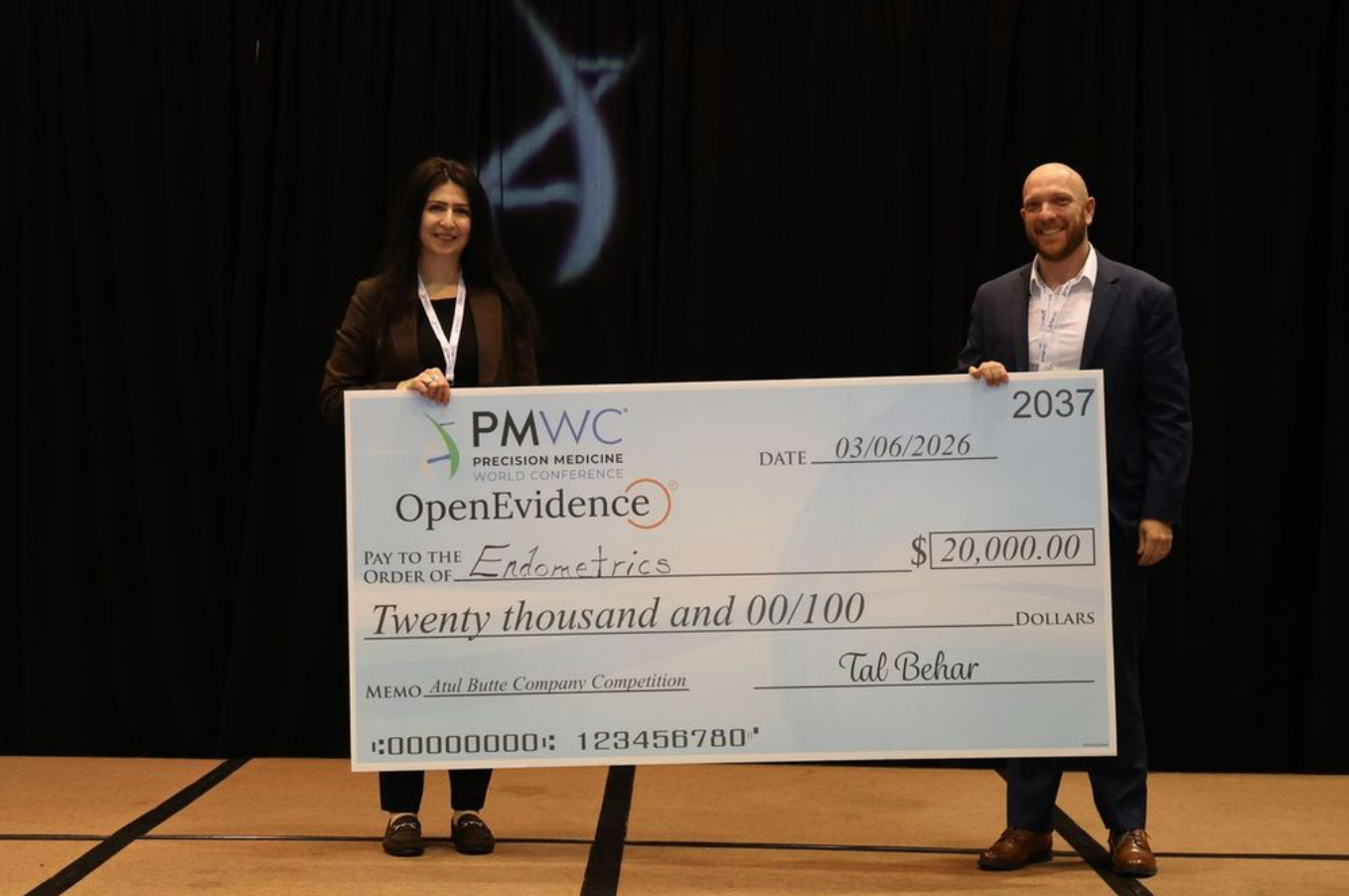

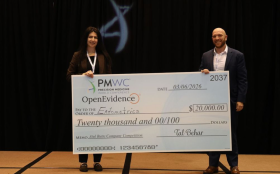
Endometrics founder, Yana Aznavour, MD, PhD winner of the Atul Butte Company Competition, with judge and sponsor, Travis Zack, MD, PhD (OpenEvidence)

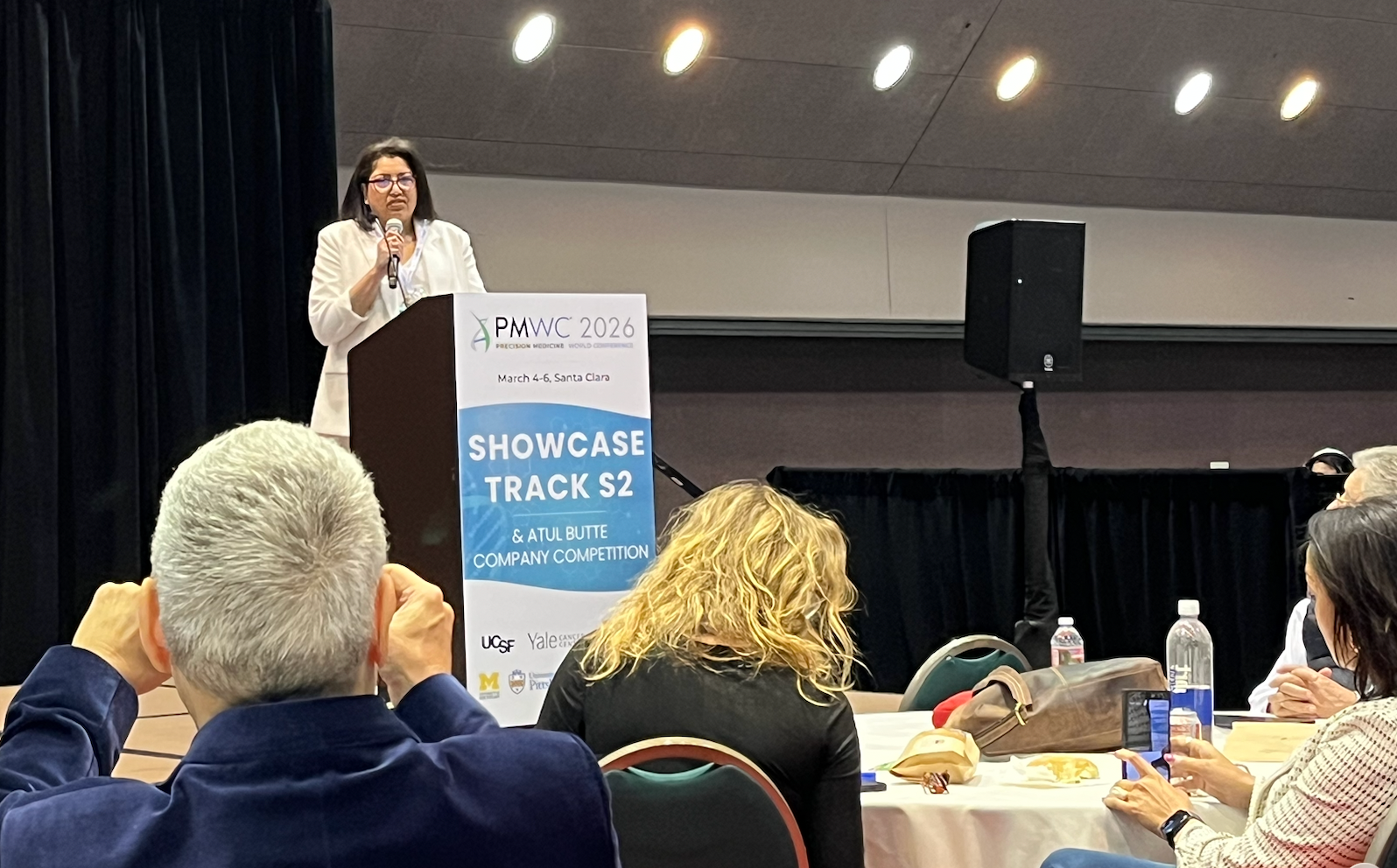
On March 7, 2026, the Precision Medicine World Conference (PMWC) announced the winner of the inaugural Atul Butte Company Competition, created to recognize early-stage precision medicine startup founders and to honor Atul Butte, MD, PhD (1969-2025). The competition, originally called the PMWC Most Promising Company Competition and launched in 2009, was renamed and relaunched in 2026 to celebrate the life and legacy of Dr. Butte, a leading scientist and entrepreneur whose work in the domain reshaped modern medicine by both discovering the potential of data and artificial intelligence to improve patient care, and bringing these discoveries to market through the companies he founded and advised.


The competition took place on the final day of PMWC 2026 at the Santa Clara Convention Center. Sharat Israni, PhD (UCSF) coordinated the judging with a panel of leaders in precision medicine commercialization, including Rowan Chapman, PhD (BEVC), Rohan Ganesh, MBA (Obvious Ventures), Debby Meredith, MS (Icon Ventures), Alex Morgan, MD, PhD (Khosla Ventures), and Travis Zack, MD, PhD (OpenEvidence). All were colleagues of Dr. Butte.


The origins of the new Atul Butte Company Competition


In her welcoming remarks, Butte’s wife, Tarangini (Gini) Deshpande, PhD, reflected upon his career-long commitment to computational health and entrepreneurship. 


From the beginning of his career, and years before others realized its value in patient care, Butte had a passion for data. Through his earliest exposure to patient data, he recognized this simple, but profound truth: “Data could tell stories about health.”  


But it was not only his brilliance as a scientist, but as a “builder, “ or entrepreneur, that supported Butte’s progress in bringing advances in computational health to benefit patients. Deshpande referred to her late husband as a “translational entrepreneur,” explaining how he translated his discoveries in precision medicine so that they could be taken into the marketplace through the companies he created and advised. She emphasized that he loved building things himself, as well as helping others do so. By building and helping others through his mentoring and advisory work, he was able to further develop the domain he defined - computational health - and ensure that his discoveries made their way to patients whose lives depended on it.


The competition honors this two-part passion: scientific discovery through data science and entrepreneurship. That spirit was evident throughout, as each nominee demonstrated how they used data to better understand patient health and transformed those insights into real-world solutions and companies.
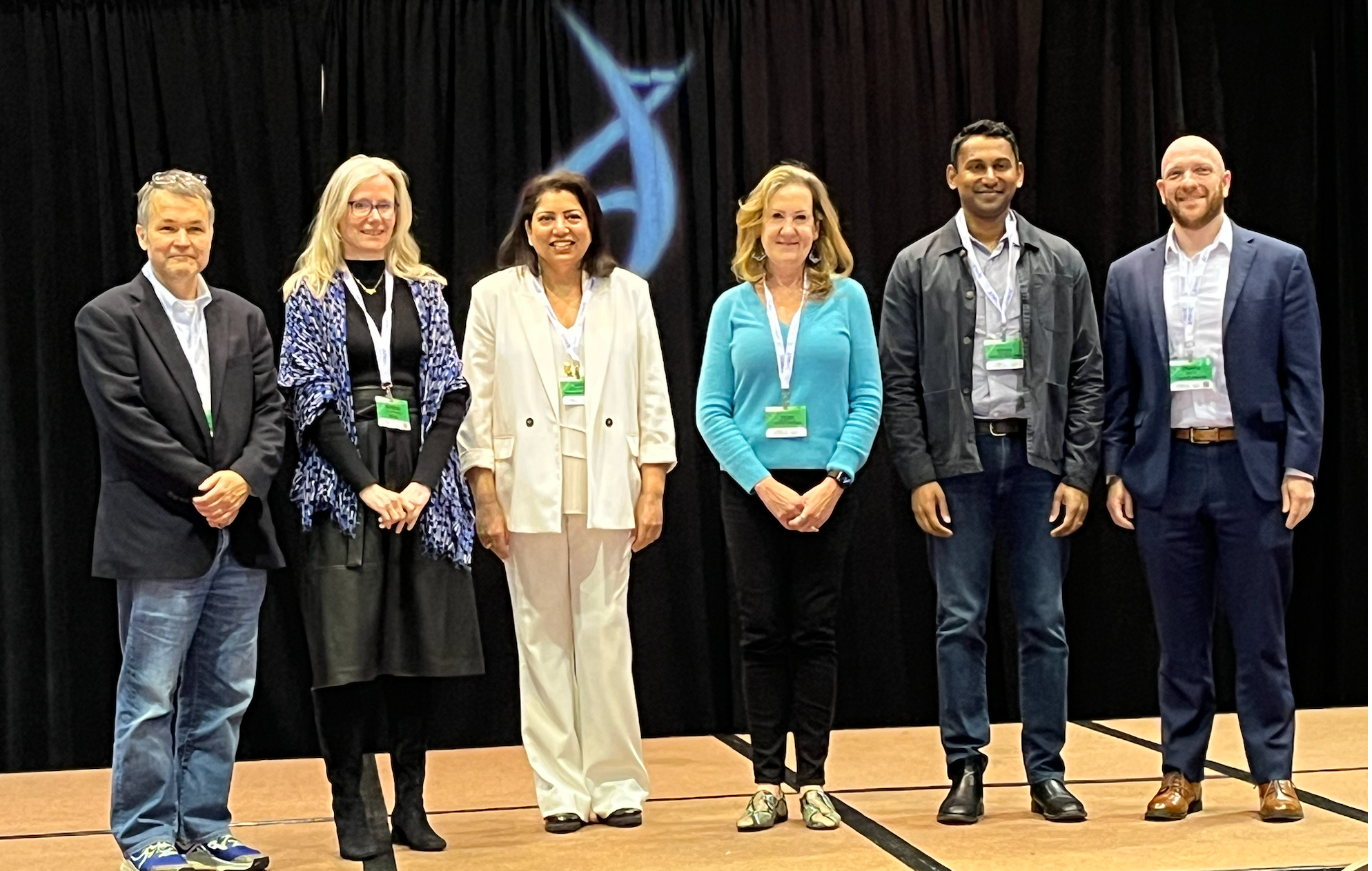
 

Competition judges (in alphabetical order): Rowan Chapman, PhD (BEVC), Tarangini (Gini) Deshpande, PhD, Rohan Ganesh, MBA (Obvious Ventures), Debby Meredith, MS (Icon Ventures), Alex Morgan, MD, PhD (Khosla Ventures), and Travis Zack, MD, PhD

Competition judges (in alphabetical order): Rowan Chapman, PhD (BEVC), Tarangini (Gini) Deshpande, PhD, Rohan Ganesh, MBA (Obvious Ventures), Debby Meredith, MS (Icon Ventures), Alex Morgan, MD, PhD (Khosla Ventures), and Travis Zack, MD, PhD 


Announcing the Atul Butte Company Competition Winner: Endometrics


In this inaugural year of the award, Endometrics and its founder and CEO, Yana Aznavour, MD, PhD, won the competition and received a $20,000 cash prize, generously provided by the competition sponsor, OpenEvidence.


Upon winning the award, Aznavour shared her connection to Atul Butte’s legacy, saying:

“This recognition means a lot to our team building a novel clinical intelligence platform for women’s health with menstrual blood. It is especially meaningful that the competition carries the name of Dr. Butte, whose work has long championed the rigorous analysis of large-scale molecular data to unlock clinical insights, the approach we are applying at Endometrics.”


Endometrics, backed by UC Berkeley SkyDeck, is developing non-invasive diagnostics in women’s health, starting with menstrual-blood-based testing for endometriosis and expanding toward broader gynecologic applications. During the presentation, Aznavour captivated the judges and the audience by first explaining the extent of the unmet need for a problem affecting a significant portion of women:


“If you know 10 women, you know one with endometriosis. It affects 10% of all women, and causes pain and infertility, and yet there is no diagnosis available today.” 

The solution includes a clinically integrated platform, starting with a validated at-home test for endometriosis and expanding into gynecologic oncology. She and her team are targeting physicians to navigate and resolve what is otherwise known today as “unexplained infertility.” Learn more about Endometrics’ pathway, and Aznavour’s track record, by visiting her PMWC 2026 presenter biography.


How the Competition Profiled Leading “Builders” in their Respective Domains


As Deshpande emphasized, Butte supported “builders,” those scientists making companies to ensure that scientific discoveries make it to the patients who need their products and services. The competition, which unfolded over the course of the entire last day of the PMWC conference, showcased numerous members of this important builder community.


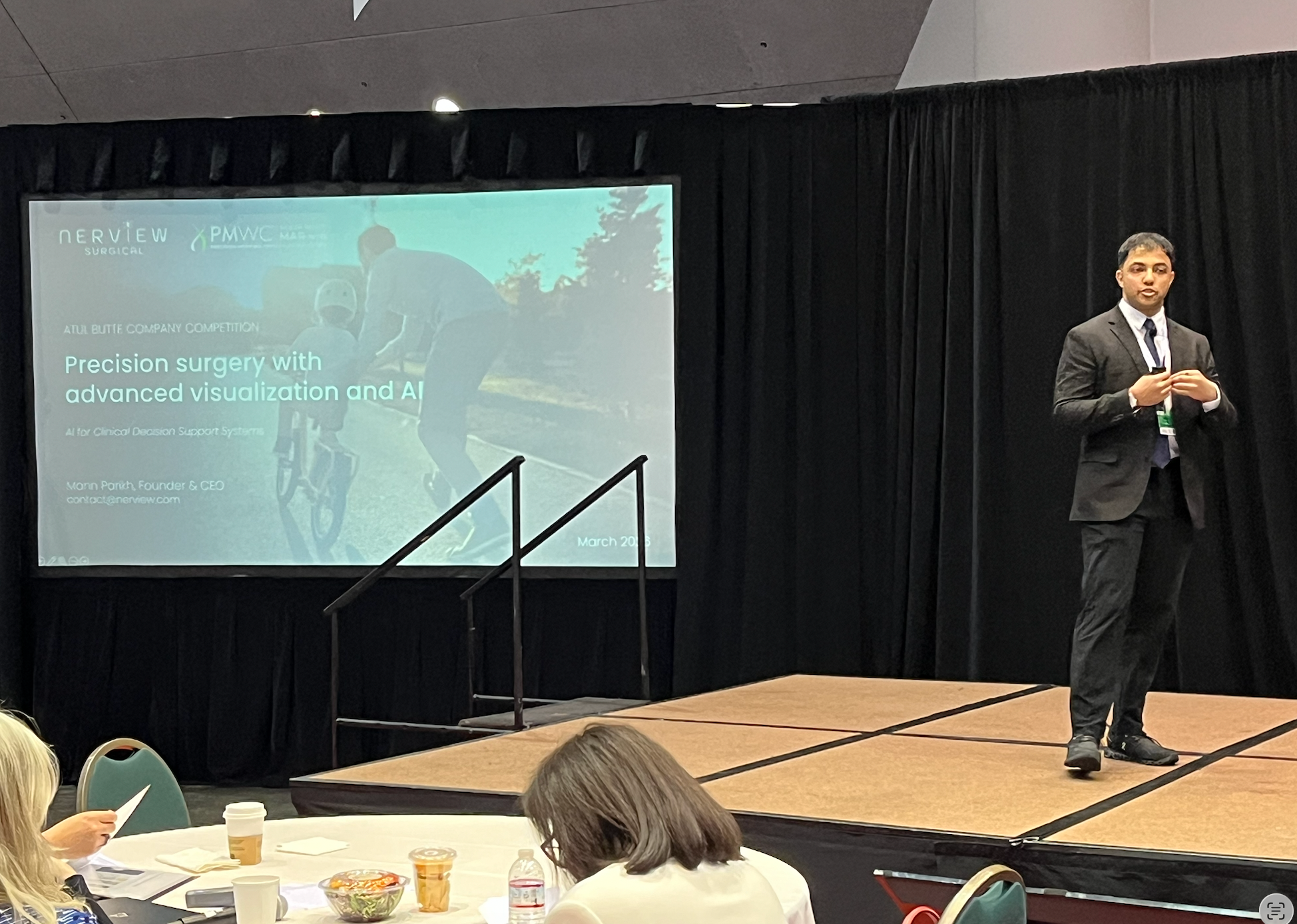
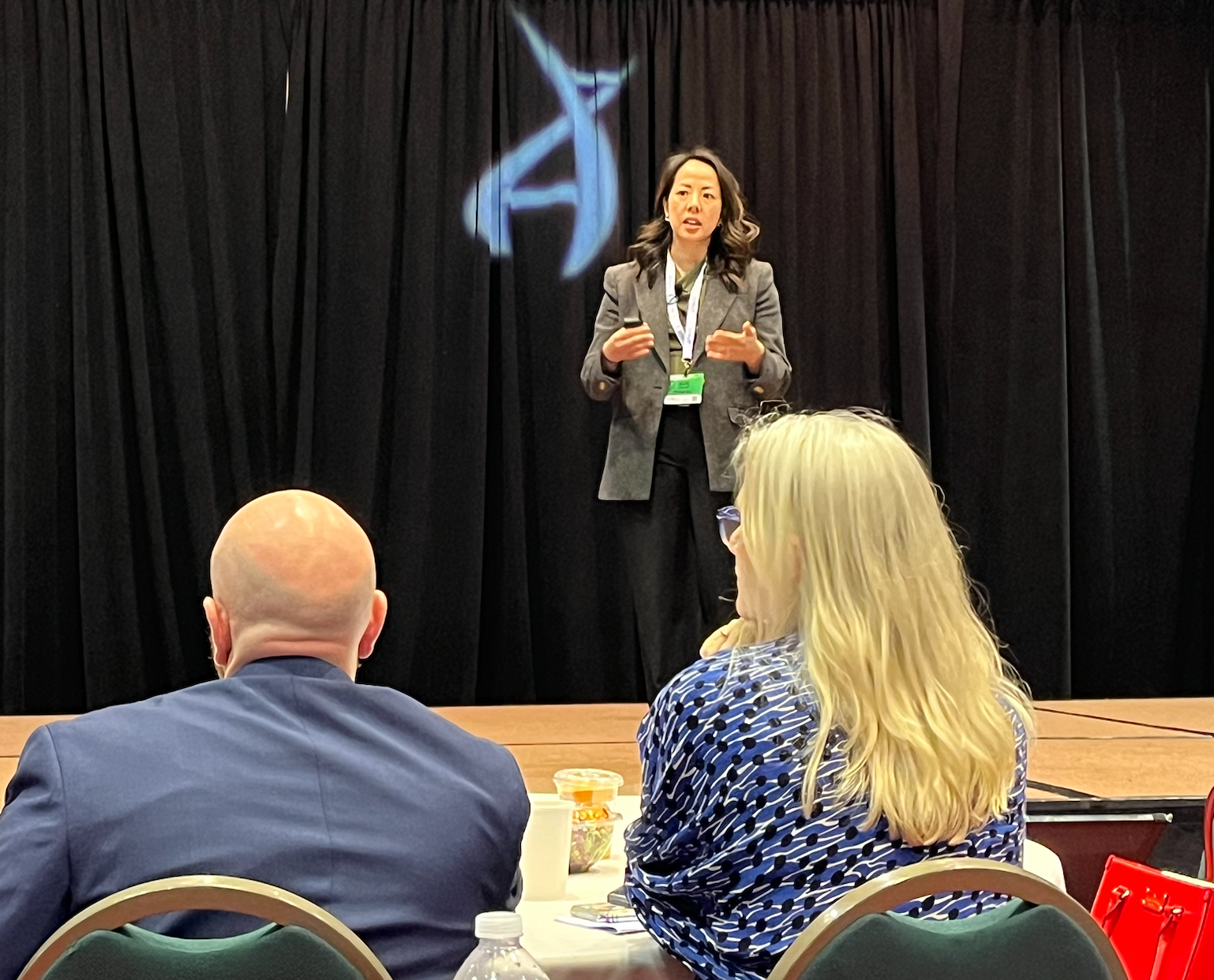
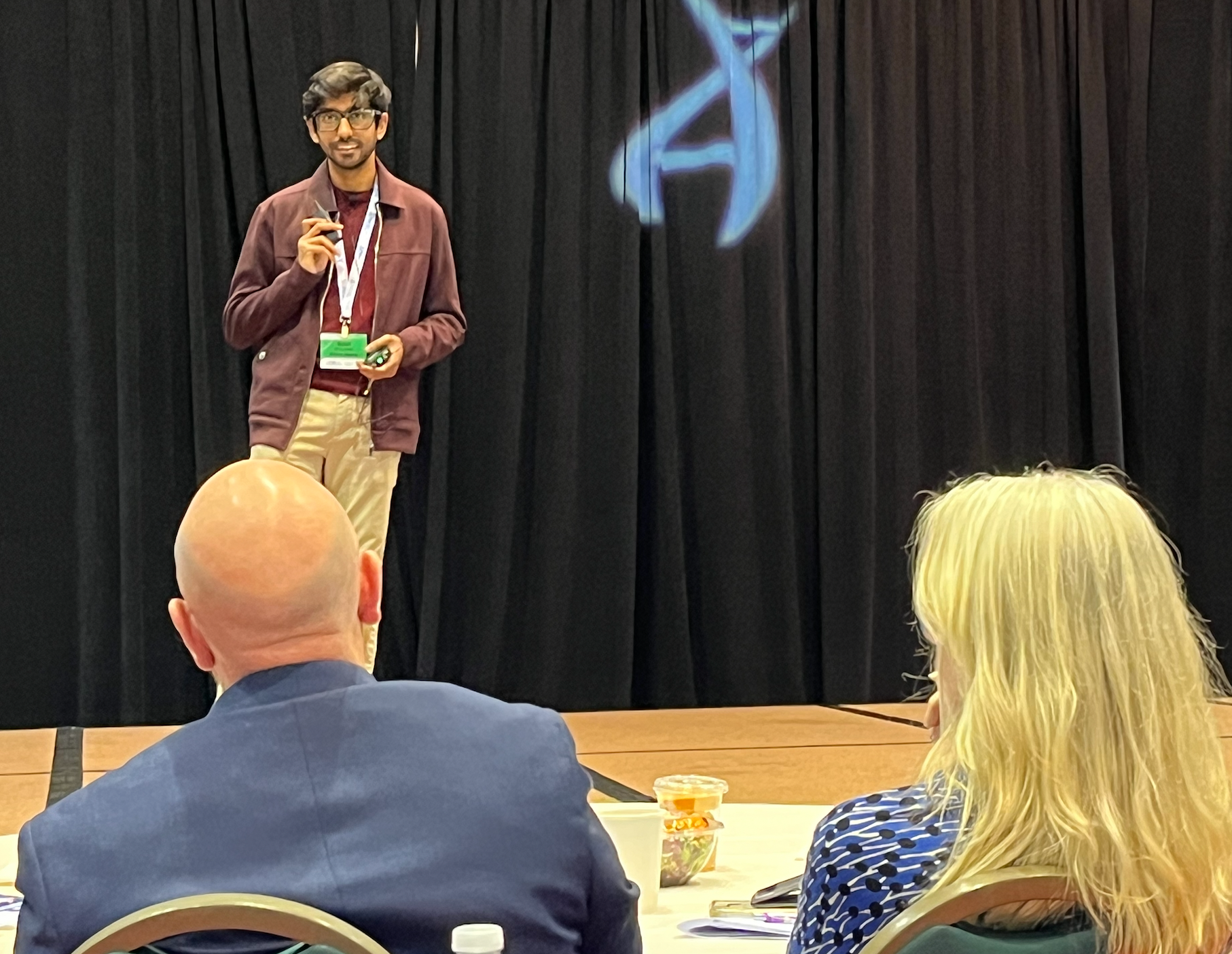
In addition to honoring the top winner of the day, Endometrics, Yana Aznavour, MD, PhD, the competition recognized three finalists, in alphabetical order: (1) NerView Surgical, founded by Mann Parikh, for preventing nerve damage during surgery; (2) Portal Biotech, founded by Armon Sharei, PhD, delivering therapies safely inside cells; as well as (3) Prima Mente, founded by Ravi Solanki, MD, PhD. Along with Aznavour, these founders pitched in the afternoon final round, and left the judges and audience deeply impressed with their expertise and forward momentum.


In total, the day-long competition included 21 companies across four categories: (1) diagnostics, (2) therapeutics, (3) health tech, and (4) AI & computational medicine pitched on the final day of the three-day PMWC 2026 conference. Judges evaluated the 5-minute presentations, which included a 2.5-minute Q&A, and based their final decision on the following six criteria: (1) clinical impact/unmet need; (2) science/evidence; (3) team/ability to execute; (4) traction & regulatory path; (5) IP/defensibility; and (6) business model/market potential. All 21 teams presented in the morning session, and the finalists presented in the afternoon. The day-long competition provided an overview of the excellent work of entrepreneurs building new companies across precision medicine sectors.


Reflections on the Competition in its First Year


Atul Butte would be proud to see his legacy live on in the work of the winning team, Endometrics, the runners up, NerView Surgical, Portal Biotech, and Prima Mente, and all of the 21 participating companies in the 2026 competition.


Upon distributing the awards, Deshpande mentioned her delight that the winner of the competition was a woman. She said: 


“As an unapologetic feminist, Atul Butte  would have especially loved that a woman-led company focused on women’s health took the top prize - fitting recognition for innovation addressing long-overlooked needs in women’s health.


The community looks forward to seeing Endometrics, and the other companies profiled during the inaugural Atul Butte Competition continue to grow and make a meaningful difference for patients.


Gini Desphande

Gini Desphande


###


ABOUT ENDOMETRICS, WINNER OF THE 2026 AWARD


Endometrics – detecting endometriosis without surgery


Yana Aznavour, MD, PhD — CEO
Endometrics is developing non-invasive diagnostics in women’s health, starting with menstrual-blood-based testing to detect endometriosis and expanding toward broader gynecologic applications
About Yana Aznavour: OB-GYN physician–scientist focused on women’s health innovation


ABOUT THE THREE FINALISTS


NerView Surgical – preventing nerve damage during surgery
Mann Parikh — Founder and CEO
NerView Surgical develops a contact-free imaging platform that makes peripheral nerves visible in real time during surgery, helping reduce the risk of accidental nerve injury
About Mann Parikh: Biomedical commercialization and surgical innovation focus


Portal Biotechnologies – delivering therapies safely inside cells
Armon Sharei, PhD — Founder and CEO
Portal Biotechnologies is building scalable intracellular delivery technology designed to enable safe, efficient transport of therapeutic payloads into hard-to-transfect cells
About Armon Sharei: Pioneer in mechanoporation-based cell engineering technologies


Prima Mente – understanding the biology of complex diseases
Ravi Solanki, MD, PhD — Co-Founder and CEO
Prima Mente is building foundation models for biology to better understand complex diseases, initially focusing on neurodegenerative conditions such as Alzheimer’s
About Ravi Solanki: Clinician and neuroscientist trained at Cambridge
 

finalists

finalists

finalists


TO LEARN MORE ABOUT ALL APPLICANTS/NOMINEES, PLEASE SCROLL BELOW.


ABOUT THE PMWC ATUL BUTTE COMPANY COMPETITION PROGRAM 


The PMWC Atul Butte Company Competition provides early-stage  precision medicine startup founders a platform to present before leading investors, potential clients and partners, helping them accelerate their path forward. Previously known as the PMWC Most Promising Company Competition, originally founded in 2009, the competition celebrates entrepreneurs from around the world using new technologies and building leading precision medicine startups, eligible for  Seed to Series A companies which have clinical or preclinical evidence and/or a working proof of concept. Eligible startups focus on Atul’s legacy of promoting computational health, using data to solve the world’s most complex health care challenges. Applications/nominations are accepted across one or more of the following four categories: diagnostics, therapeutics, health tech, and AI & computational medicine. The 2026 winner was eligible for a $20,000 cash award, and all nominations/applications are promoted online. To learn more, please visit the Precision Medicine World Conference Atul Butte Company Competition landing page.


ABOUT ATUL BUTTE


Atul Butte, MD, PhD (1969–2025) was a physician scientist and biomedical informatics pioneer who helped define modern, evidence-first precision medicine, showing how large scale clinical and molecular data can be translated into decisions that improve patient care. He held leadership roles at Stanford University and Lucile Packard Children’s Hospital, including chief of the Division of Systems Medicine, and faculty appointments spanning Pediatrics and Medicine, with courtesy in Computer Science. In 2015, joined UCSF as the inaugural director of the Bakar Computational Health Sciences Institute and served as UC Health’s inaugural chief data scientist, helping unify data driven approaches across the UC academic medical centers. Beyond academia, Butte was a builder and mentor to founders focused on real world clinical impact. He co-founded multiple data driven companies, including Personalis, NuMedii, and Carmenta, and he was widely recognized for advancing rigorous, reproducible translation of data into care. To learn more about Atul Butte, please visit the Atul Butte Wikipedia page.


ABOUT THE PRECISION MEDICINE WORLD CONFERENCE (PMWC)


Precision Medicine World Conference (PMWC) is the largest annual conference dedicated to precision medicine. PMWC’s mission is to bring together recognized leaders, top global researchers and medical professionals, and innovators across health care and biotechnology sectors to showcase practical content that helps close the knowledge gap between different sectors, thereby catalyzing cross-functional fertilization & collaboration in an effort to accelerate the development and spread of precision medicine. Since 2009, recognized as a cornerstone for all constituents of the health care and biotechnology community, PMWC provides an exceptional forum for the exchange of information about the latest advances in technology (e.g. DNA sequencing technology), in clinical implementation (e.g. cancer and beyond), research, and in all aspects related to the regulatory and reimbursement sectors.


Held annually at the Santa Clara Convention Center, in the heart of Silicon Valley each year for the last 17 years, it draws 2,500 attendees. The conference features over 400 speakers and 90+ sponsors who showcase at an exhibition hall. Each year the conference partners with major universities, specializing in health, including UCSF, Stanford Health Care, Yale, University of Michigan, Duke, and University of Pittsburgh. To learn, visit the Precision Medicine World Conference (PMWC) landing page. 
 

student awardees
Source:
By Laurel Skurko
June 24, 2026
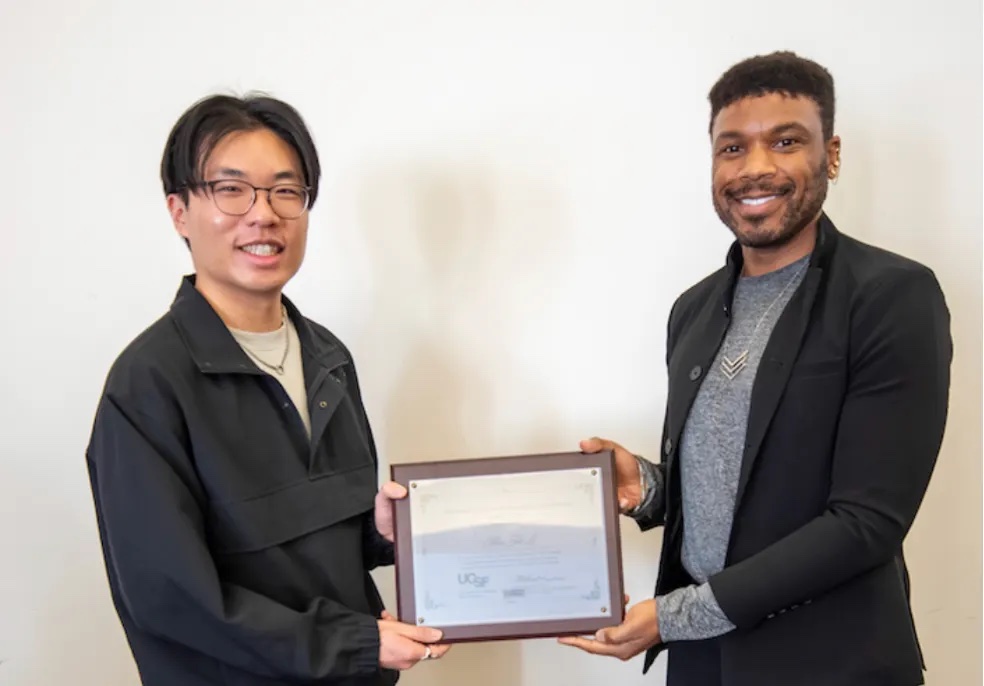
alex li and claire mcdonnel


Above photo: UCSF student Alex Li and UCSF fellow Claire McDonell exemplify values of computational health sciences leader Atul Butte


On March 11, 2026, the winners of the inaugural Atul  Butte Individual Awards Program - a Student Award and Distinguished Fellowship Award - were announced during AI Research Day at UCSF. UCSF student Alex Li and UCSF fellow Claire McDonell were recognized by the selection committees based on their demonstrated innovation in biomedical research using data science-driven approaches, including AI. They shared updates on their work with the audience upon accepting their awards, revealing more about the field of computational health today and where it is headed.


William Brown, III, PhD, director of recruitment, retention & representation; associate professor of prevention science, introduced the awards program and shared more about its namesake, Atul Butte (1969-2025). “Atul not only helped define the field of biomedical data science,” said Brown, “but he advanced it through the people he trained and inspired,” shared Brown.


  1. Innovation in Biomedical Data Science Student Award
  2.  

Brown explained that the Atul Butte Student Award was created to recognize a graduate student whose work exemplifies work at the intersection of computation and biology, and then presented the first award, Atul Butte Innovation in Biomedical Data Science Student Award, to Alex Jie Li, UC Berkeley-UCSF Ph.D. student. Li then presented his research, modeling protein design, and used animation to show the audience how he is using AI to design new proteins in the lab.


  1. Distinguished Fellow in Data Science and Health Research
  2.  

Brown provided additional context to describe the origin of the second award category. He pointed to the connection of the bench-to-bedside continuum, saying, “For Atul, data science should not just advance discovery, but should be applied to important questions in health care.”

Brown then introduced the winner of the second award, the Atul Butte Distinguished Fellow in Data Science and Health Research, which he presented to Claire McDonell, PhD, for her work using causal inference methods to research marginalized communities and advance health equity.

Final Reflections on the Atul Butte Individual Awards

Brown concluded the awards ceremony by underscoring that Atul Butte’s name is synonymous with generosity and mentorship, and joined the audience in applauding the two recipients who embody the level of rigor modeled by Atul Butte.


audience shot

Audience Members at UCSF AI Research Day 2026


Learn more About the two 2026 Atul Butte Individual Awards Programs Winners


Alex Jie Li, winner of the Atul Butte Innovation in Biomedical Data Science Student Award, is a UC Berkeley-UCSF bioengineering PhD student studying de novo enzyme design. He is co-mentored by Tanja Kortemme, PhD, UCSF and Margaux Pinney, PhD, UC Berkeley. Li  presented his research, “ProteinZen: all-atom protein generation with SE(3) flow matching,” published on bioRxiv on October 18, 2025, for which he is the first author, a criterion for winning this award. ProteinZen is an AI method that designs proteins with atomic-level precision by using 3-D geometry-aware modeling (SE(3)), improving both realism and performance in complex protein design tasks. 


Alex ji and will brown


Claire McDonell, winner of the Atul Butte Distinguished Fellow in Data Science and Health Research, is an epidemiology & biostatistics graduate student whose research interests are at the intersection of causal inference, community-engagement, and drug use harm reduction. She aims to conduct rigorous research that amplifies the voices of socially marginalized communities, informs just social policy, and advances health equity. She works with Meghan Morris, PhD, UCSF on clinical trials and observational studies focused on improving the health outcomes of people who use drugs.


claire mcdonnel


ABOUT THE ATUL BUTTE AWARDS PROGRAMS 


  1. Atul Butte Innovation in Biomedical Data Science Student Award
  2.  
  • Sponsor: Bakar Computational Health Sciences Institute
  • Organizer / Program: BCHSI
  • Eligibility: Open to students from all UCSF graduate programs
  • Focus: Recognizes innovation and potential impact in data-driven discovery in biology and health
  • Selection Committee: Marina Sirota, Sharat Israni, Angela Rizk-Jackson, Ashish Raj, William Brown, Vivek Rudrapatna, Gundolf Schenk and Tony Capra
  • Selection Notes: The committee highlighted the innovation, potential impact and alignment of the student’s work with the spirit of the award
  •  
  1. Atul Butte Distinguished Fellowship in Data Science and Health Research
  2.  
  • Sponsor: DaTABASE training program
  • Organizer / Program: UCSF Data Science Training to Advance Behavioral and Social Science Expertise for Health Disparities Research (DaTABASE) T32 Program, housed within the UCSF Department of Epidemiology and Biostatistics
  • Eligibility: Predoctoral researchers studying social and behavioral determinants of health through the DaTABASE program
  • Focus: Advanced data analytics training focused on health disparities research
  • Selection Committee: William Brown, Aric Prather, Yulin Hswen and Raman Khanna, Marina Sirota

The 2027 Atul Butte Student and Fellow Awards Program cycle will be announced in early December, 2026 and will remain open through January 30, 2027. Please visit the BCSHI landing page and join the BCHSI mailing list to learn more.


About Atul Butte


Atul Butte, MD, PhD (1969–2025) was a physician scientist and biomedical informatics pioneer who helped define modern, evidence-first precision medicine, showing how large-scale clinical and molecular data can be translated into decisions that improve patient care. He held leadership roles at Stanford University and Lucile Packard Children’s Hospital, including chief of the Division of Systems Medicine, and faculty appointments spanning Pediatrics and Medicine, with courtesy in Computer Science. He later joined UCSF as the inaugural director of the Bakar Computational Health Sciences Institute and served as UC Health’s inaugural chief data scientist, helping unify data-driven approaches across the UC academic medical centers. Beyond academia, Atul was a builder and mentor to founders focused on real-world clinical impact. He co-founded multiple data-driven companies, including Personalis, NuMedii, and Carmenta, and he was widely recognized for advancing rigorous, reproducible translation of data into care. To learn more about Atul Butte, please visit the Atul Butte Wikipedia page.


About the Bakar Computational Health Sciences Institute (BCHSI)


The UCSF Bakar Computational Health Sciences Institute is an academic home for faculty, students, trainees, and staff at the University who employ computational methodologies to address topics in health and wellness. Please visit the BCHSI landing page. 


UCSF leaders and Atul Butte individual award winners at UCSF AI Research Day. Images include: Talmadge King, Catherine Lucey, Bob Wachter, Marina Sirota, Aenor Sawyer, Alice Tang, Ashish Raj and Boris Oskotsky

UCSF leaders and Atul Butte individual award winners at UCSF AI Research Day. Images include: Talmadge King, Catherine Lucey, Bob Wachter, Marina Sirota, Aenor Sawyer, Alice Tang, Ashish Raj and Boris Oskotsky

Alzheimer’s Disease Destroys Neurons that Keep Us Awake
Source:
Nature Aging & UCSF News
May 19, 2026

Asish Raj et al publish in Nature Aging "Predicting categorical and continuous Alzheimer’s disease outcomes from a single MRI scan"

scientist
Source:
UC Health
April 13, 2026

A multidisciplinary team from UCSF, including investigators at the Bakar Computational Health Sciences Institute, explored Alzheimer’s disease using a novel, cell–specific approach. Supported by the National Institute on Aging, the study integrated single-cell data, drug databases, and real-world electronic medical records.

Presentation Image
Source:
American Cancer Society
February 24, 2026

Lead Author Julian Hong publishes in Cancer. “Over the past several years, we’ve had an increasing appreciation for the important relationship between cancer, its treatment, and mental health,” said Julian Hong MD, MS, of the University of California, San Francisco, and lead author of the study. These findings reinforce the importance of early screening, timely intervention, and integration of mental health support into routine cancer care.

marina sirota
Source:
UCSF News
February 24, 2026

Building on work that computer scientists had already done with pregnancy data, young researchers use AI to make viable prediction models. Senior Co-Author Marina Sirota et al publish findings in Cell.

Peng He
Source:
Nature Computational Science
February 23, 2026

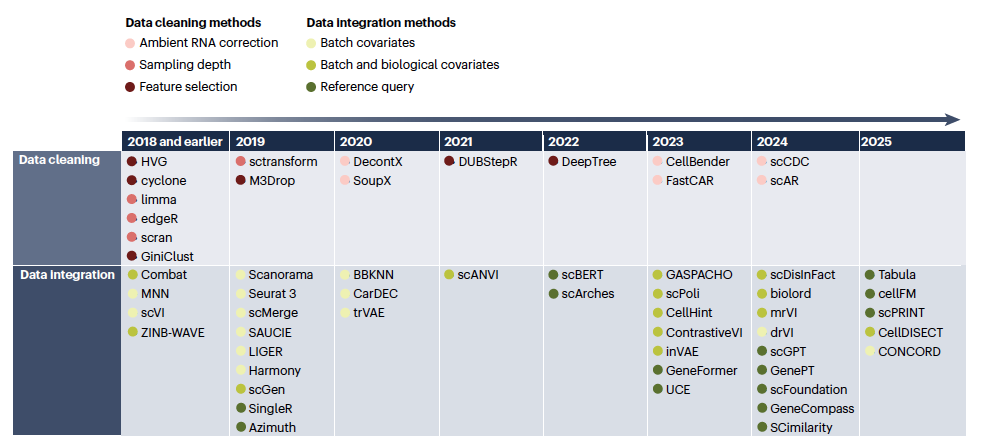
BCHSI Affiliated Faculty Peng He, PhD, assistant professor in the Department of Pathology, recently published in Nature Computational Science "Toward informed batch correction for  single-cell transcriptome integration." He shares insights on this research:
 

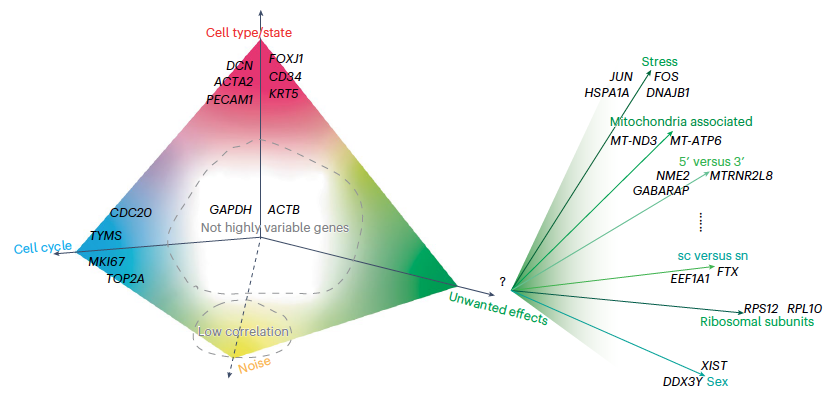
Modern technologies allow scientists to measure gene activity in thousands to millions of individual cells, helping us build detailed maps of tissues in health and disease. However, data generated in different labs or with different techniques often contain technical differences that make comparisons difficult. In this Perspective, we organize existing computational approaches into two broad categories — data cleaning methods that reduce known technical artifacts, and data integration methods that align datasets across experiments — and provide a clear, high-level overview of how these approaches work.
 graph

A central message of the paper is the need for greater interpretability. Many current models correct data effectively but offer limited insight into what was changed or why. We highlight key limitations in current practices — including inconsistent standards, limited transparency, and incomplete metadata — and advocate for more interpretable, knowledge-informed models. We also propose leveraging large, well-annotated cell atlases to train more robust and transparent integration frameworks, rather than repeatedly correcting small datasets in isolation.
 

Improving both robustness and interpretability is essential for building reliable reference maps and ensuring that discoveries from single-cell data are accurate and trustworthy. See full article here

graph 2
alice tang
Source:
Forbes
December 4, 2025

Alice Tang is using AI computational tools to understand and diagnose complex diseases like Alzheimer's...