News
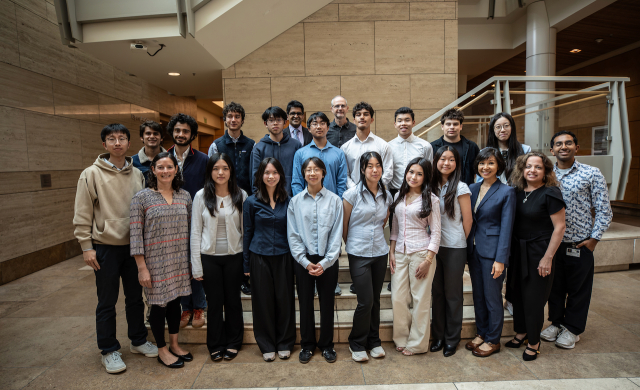
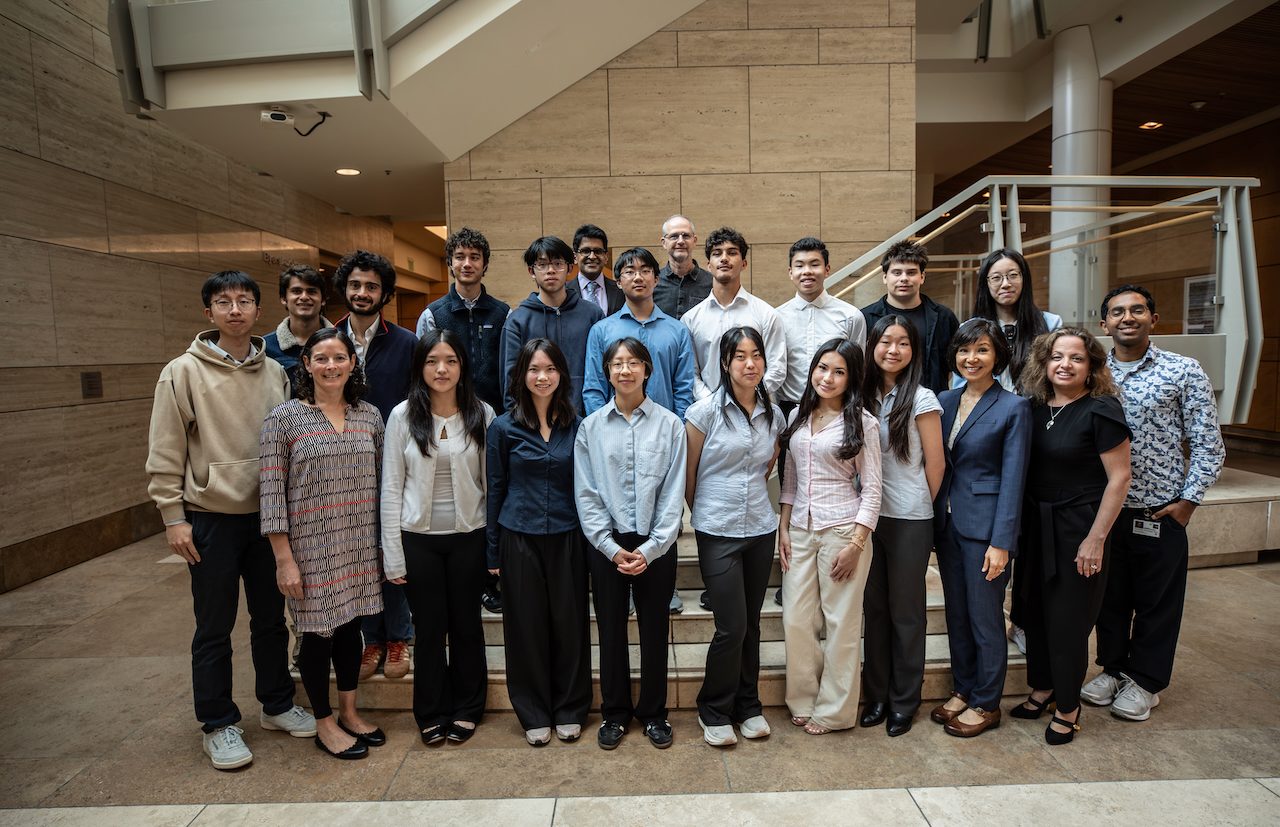
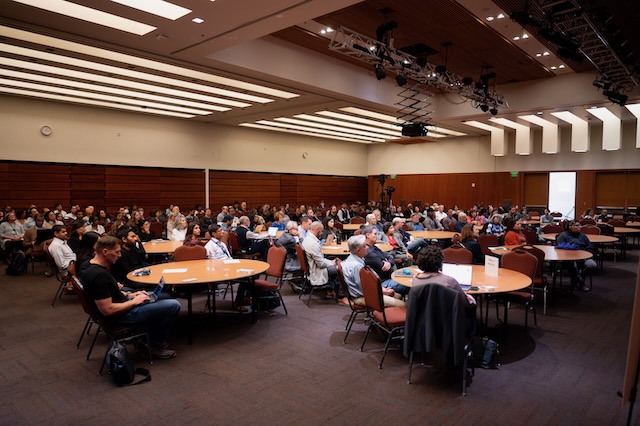
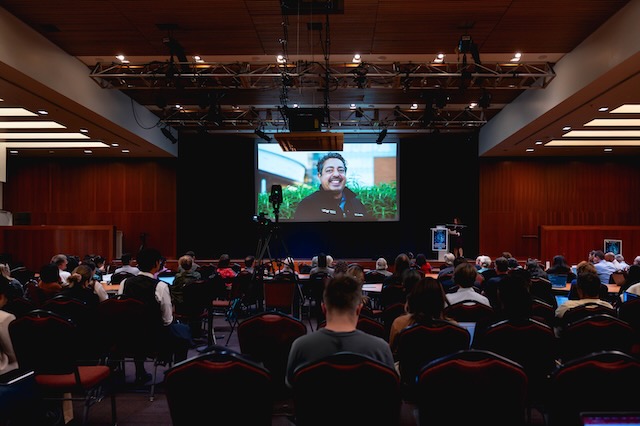
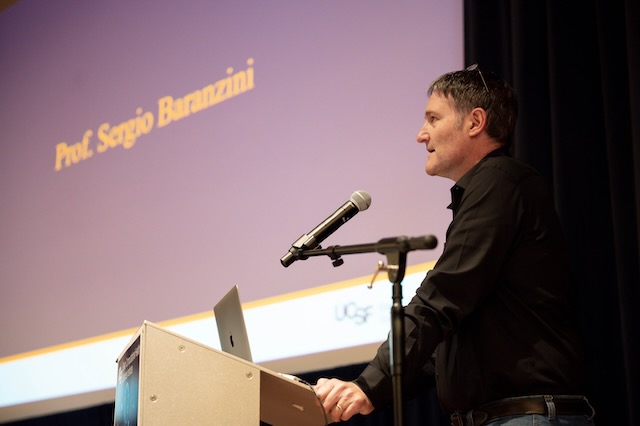
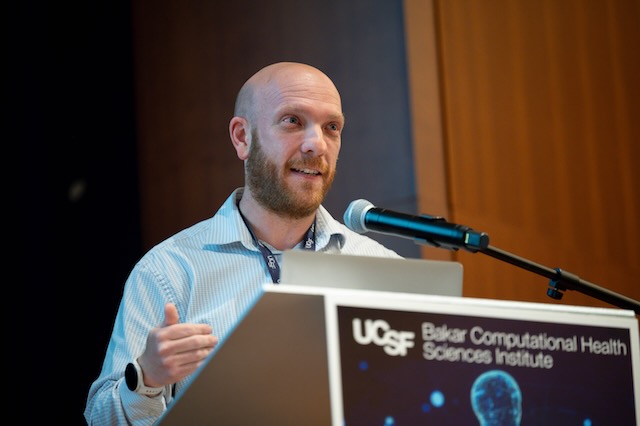
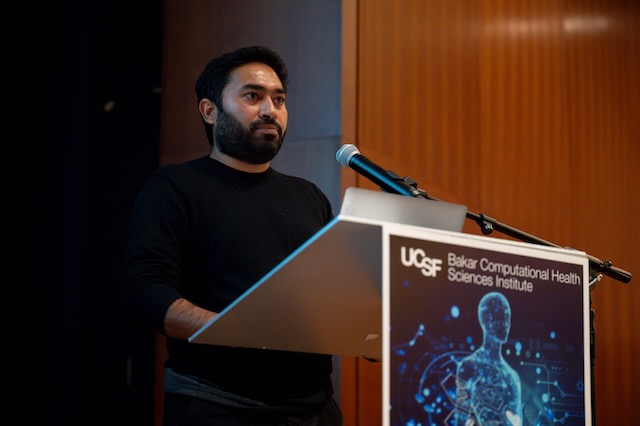
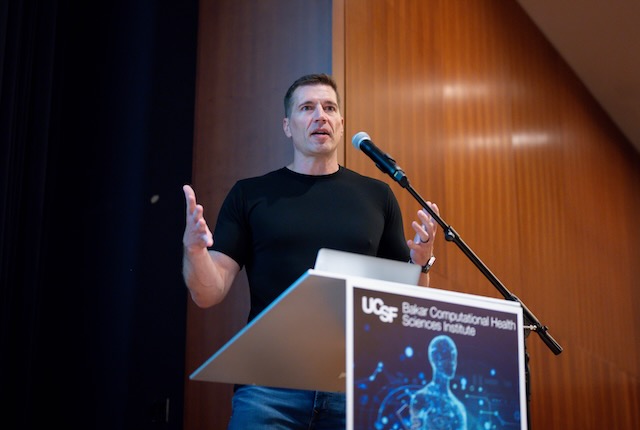
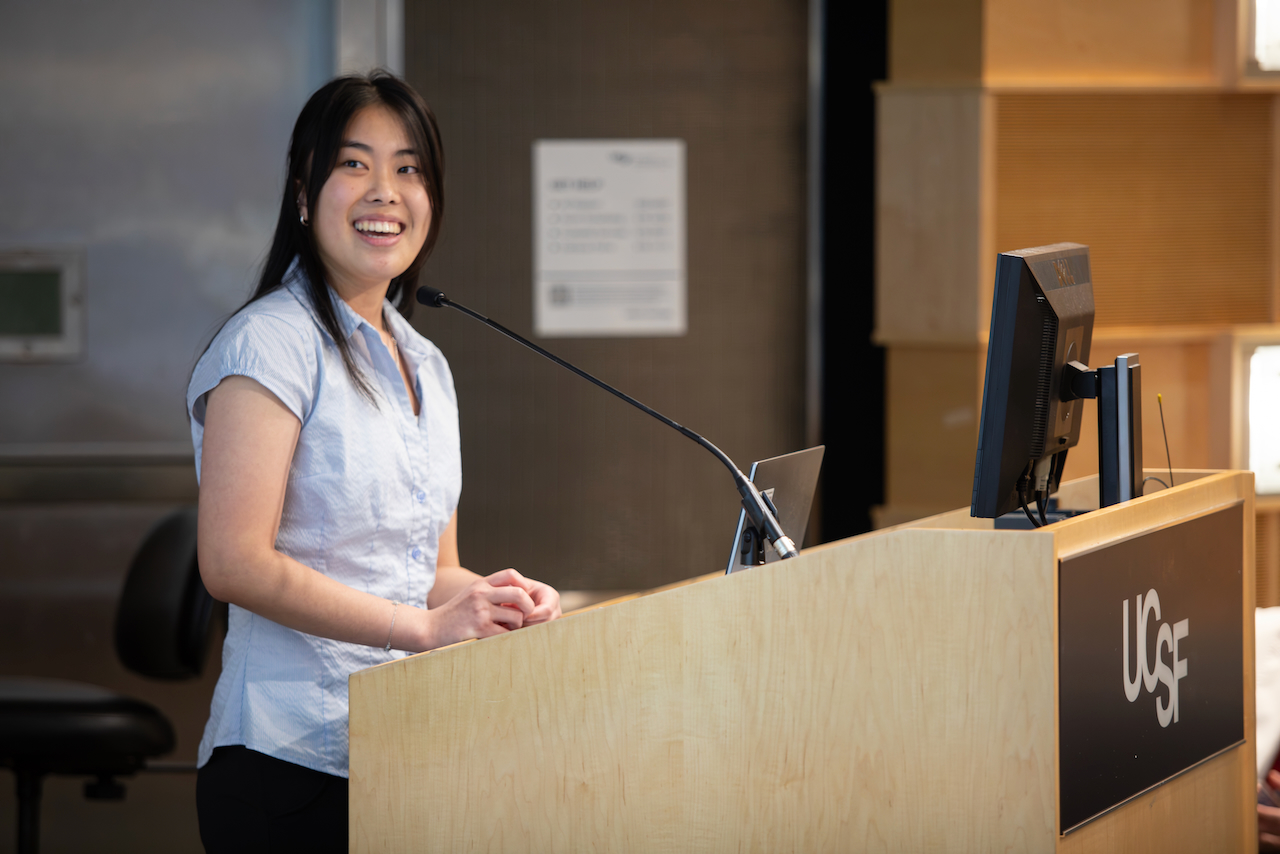
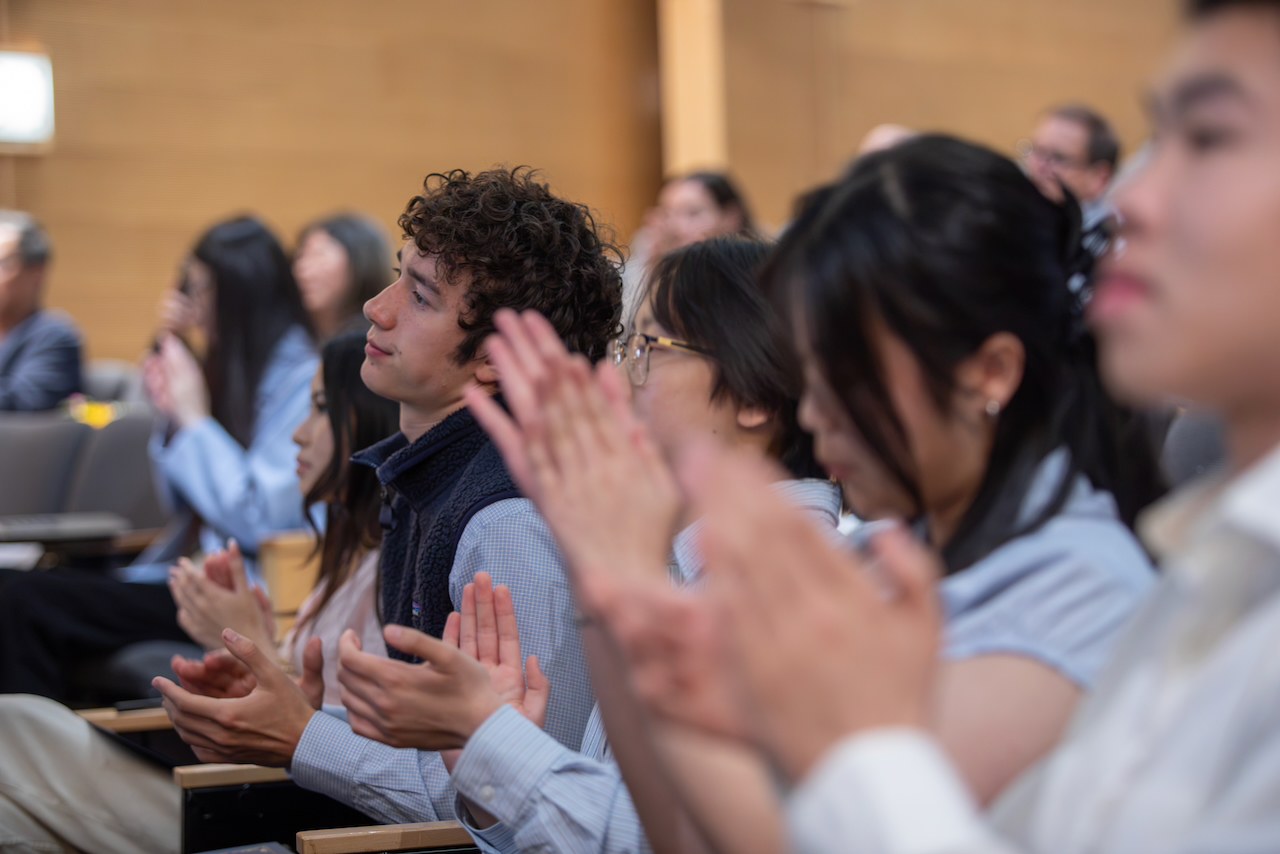
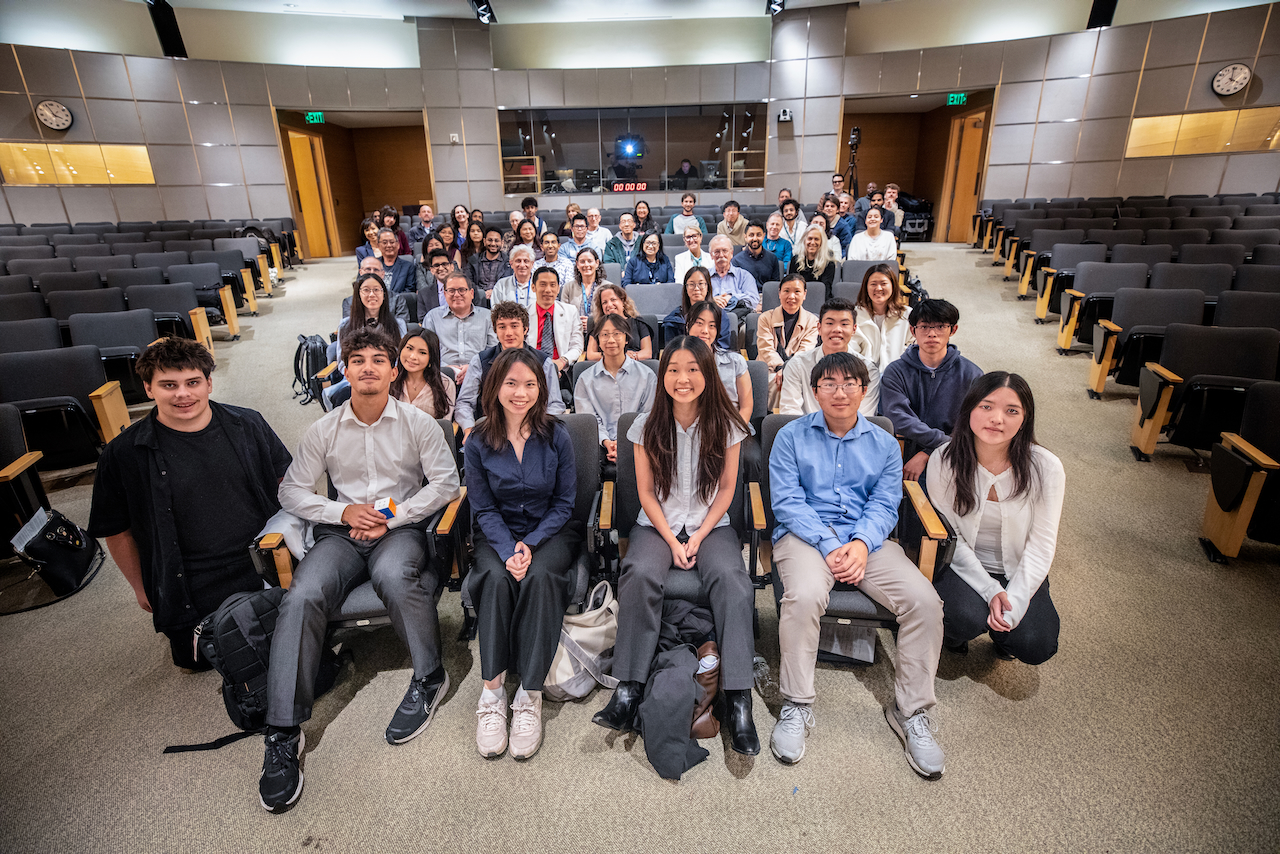
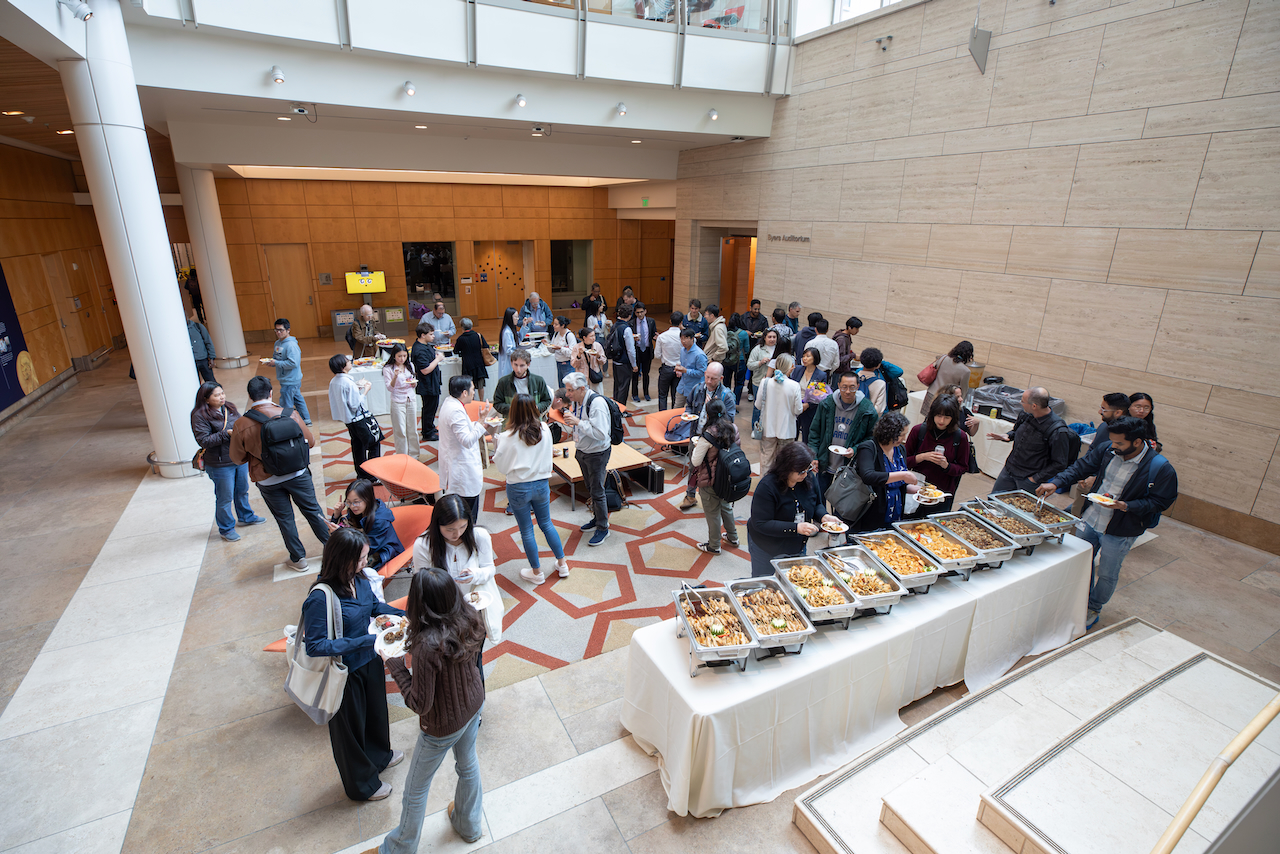
More than 100 students, families, faculty, mentors, and members of the UCSF community gathered at Mission Bay on Friday, August 14, for the 2026 UCSF AI4ALL Symposium, celebrating the accomplishments of this year’s program participants.
UCSF AI4ALL, founded in 2019, is now a collaborative initiative of the Division of Clinical Informatics and Digital Transformation (DoC-IT), the Institute for Human Genetics (IHG), and the Bakar Computational Health Sciences Institute (BCHSI). Together, these groups bring complementary expertise in clinical informatics, genetics, computational biology, and data science to create an immersive summer program introducing high school students to the rapidly evolving intersection of artificial intelligence, data science, and biomedicine.
Moving beyond the traditional “wet lab” model of research, the program gives students hands-on experience using computational approaches to address real-world questions in health and medicine. During the summer, students were paired with UCSF faculty and research teams to explore a topic of interest and develop their own research projects.
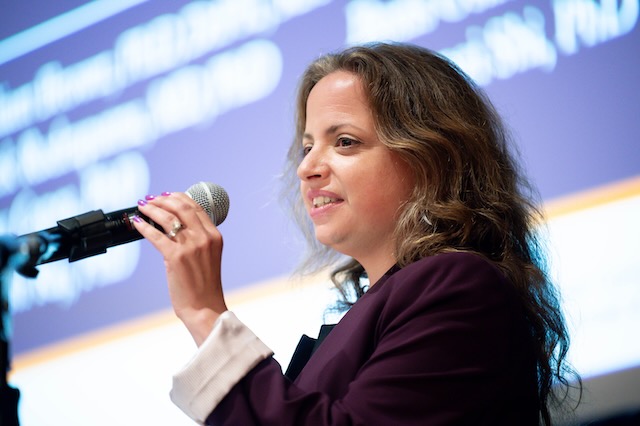
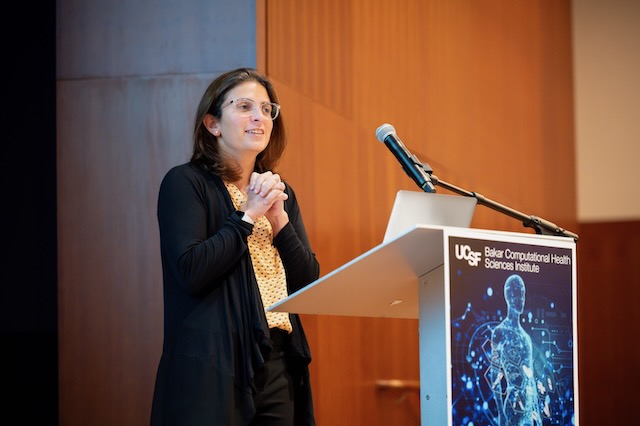
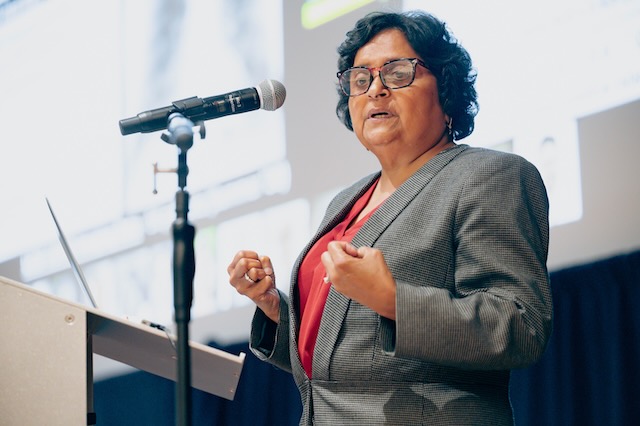
The afternoon began with a welcome from AI4ALL Founding Director Marina Sirota, PhD, Professor of Pediatrics and Interim Director of BCHSI. Sirota reflected on the program’s evolution and growth, highlighted the partnership among DoC-IT, IHG, and BCHSI, and recognized the faculty, mentors, staff, families, and supporters whose contributions have enabled the program to thrive.
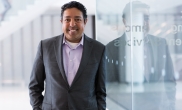
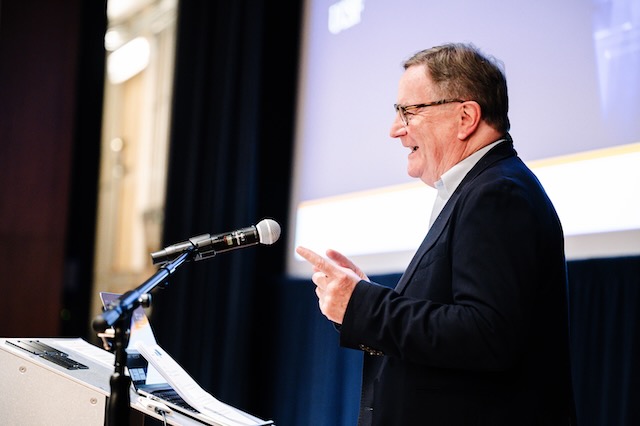
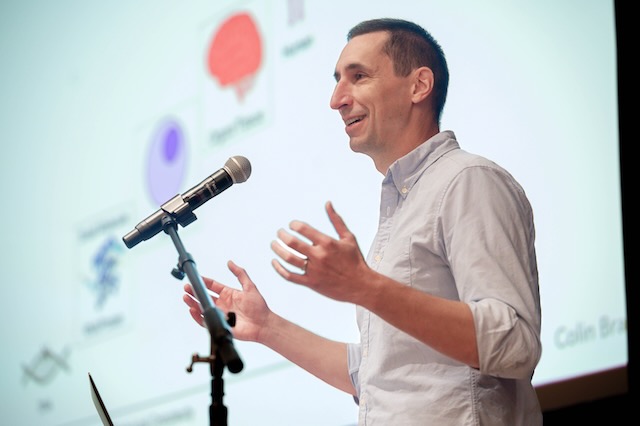
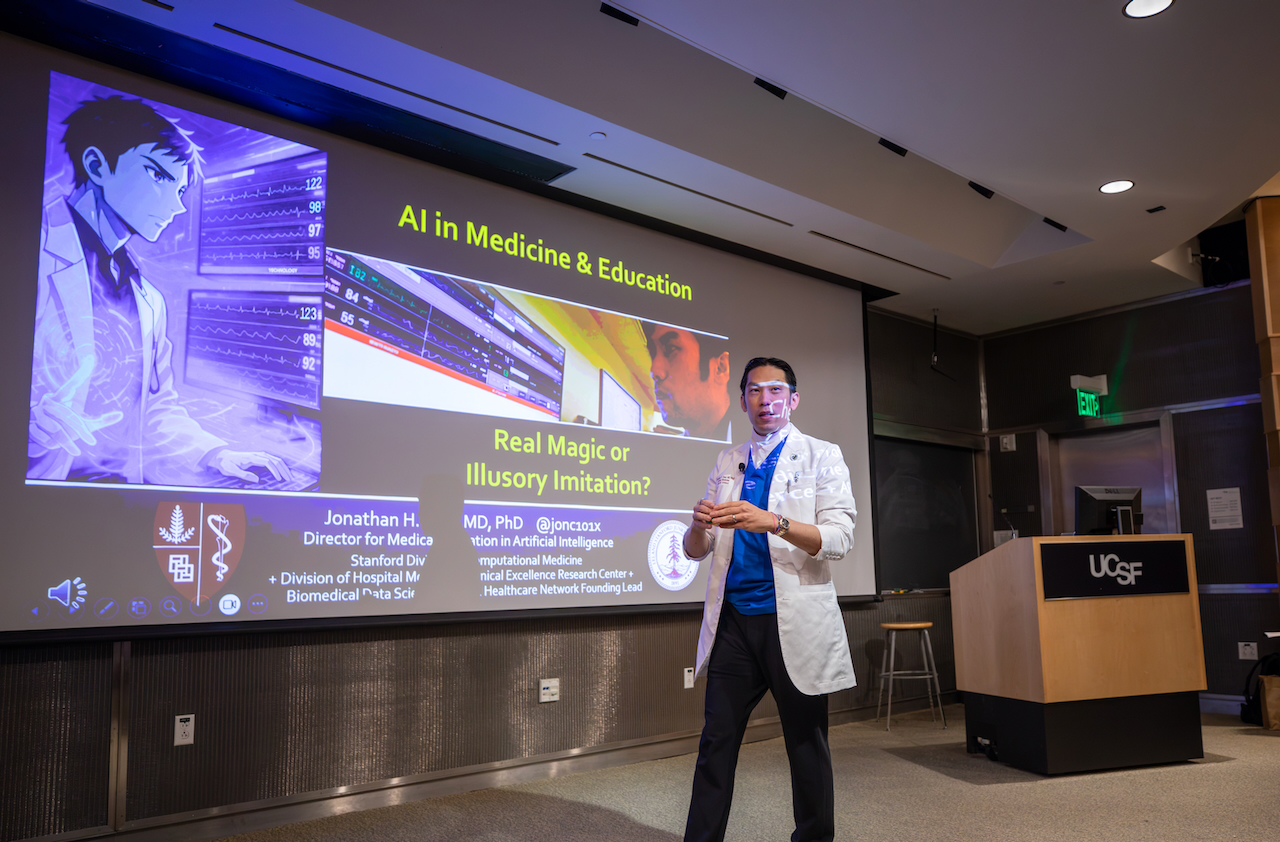
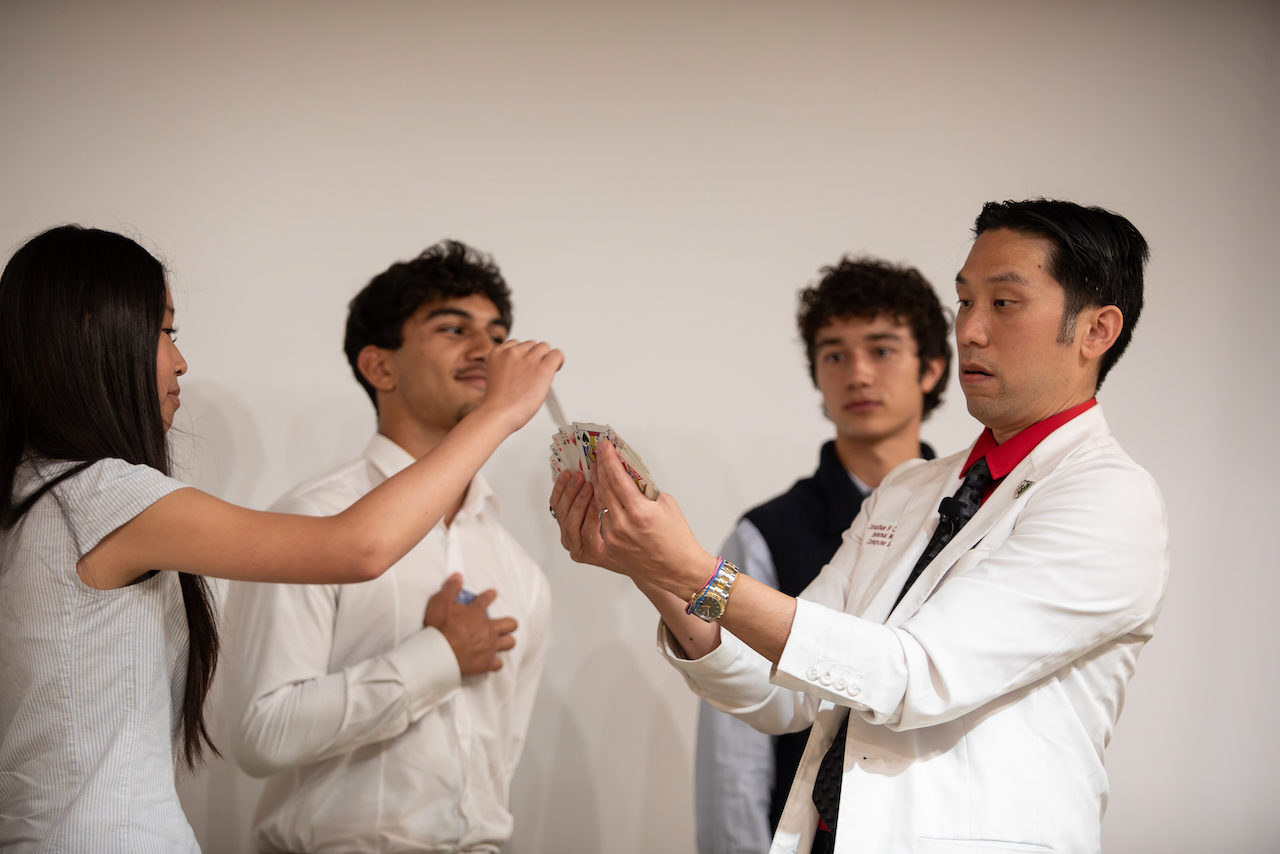
The keynote address was delivered by Jonathan H. Chen, MD, PhD, Associate Professor and Director of Medical Education in Artificial Intelligence in Stanford’s Division of Computational Medicine. In his talk, “AI in Medicine and Education: Real Magic or Illusory Imitations,” Chen explored the expanding role of AI across medicine, biomedical research, and education—from diagnostic applications to communication and empathy at the bedside. Blending science with music, magic, and optical illusions, his dynamic presentation invited the audience to consider both the remarkable potential of AI and the importance of critically evaluating what these technologies can and cannot do.
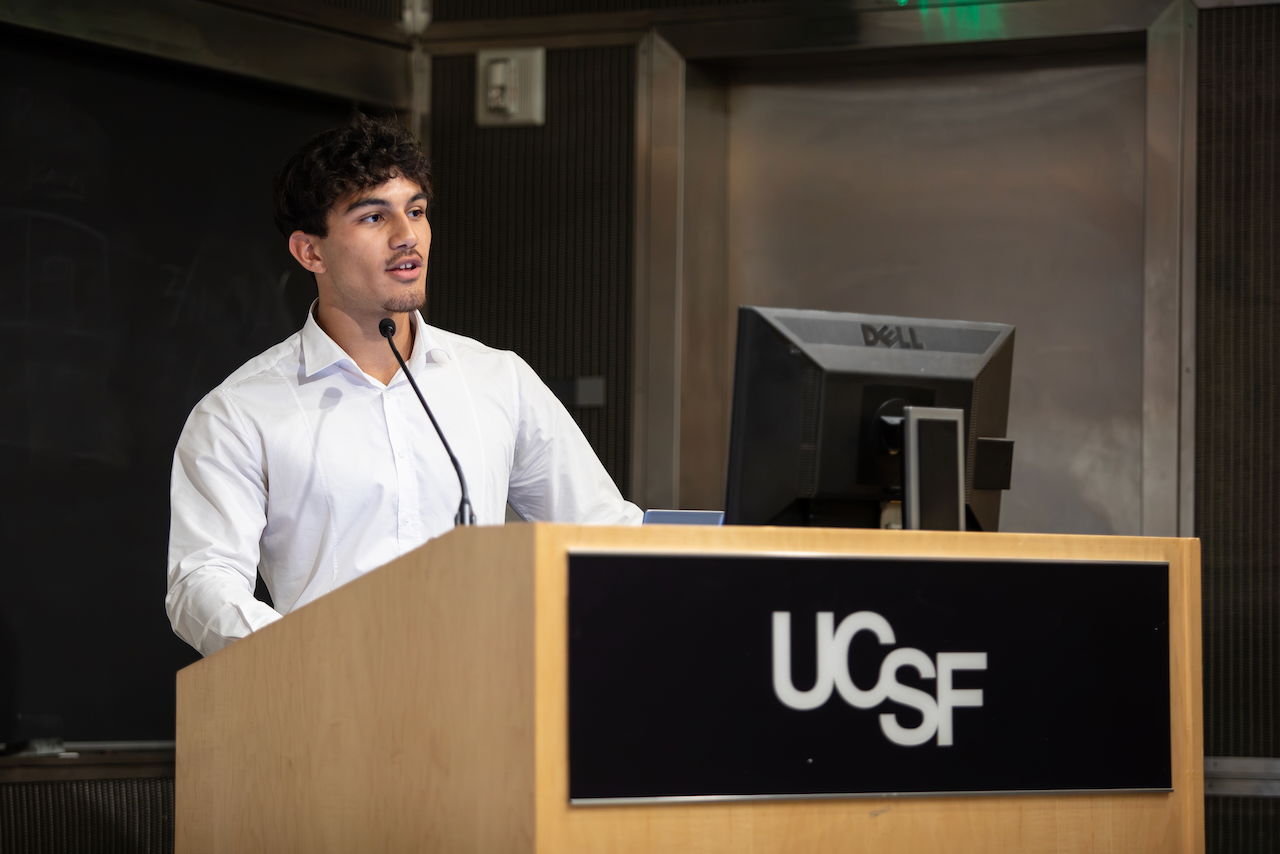
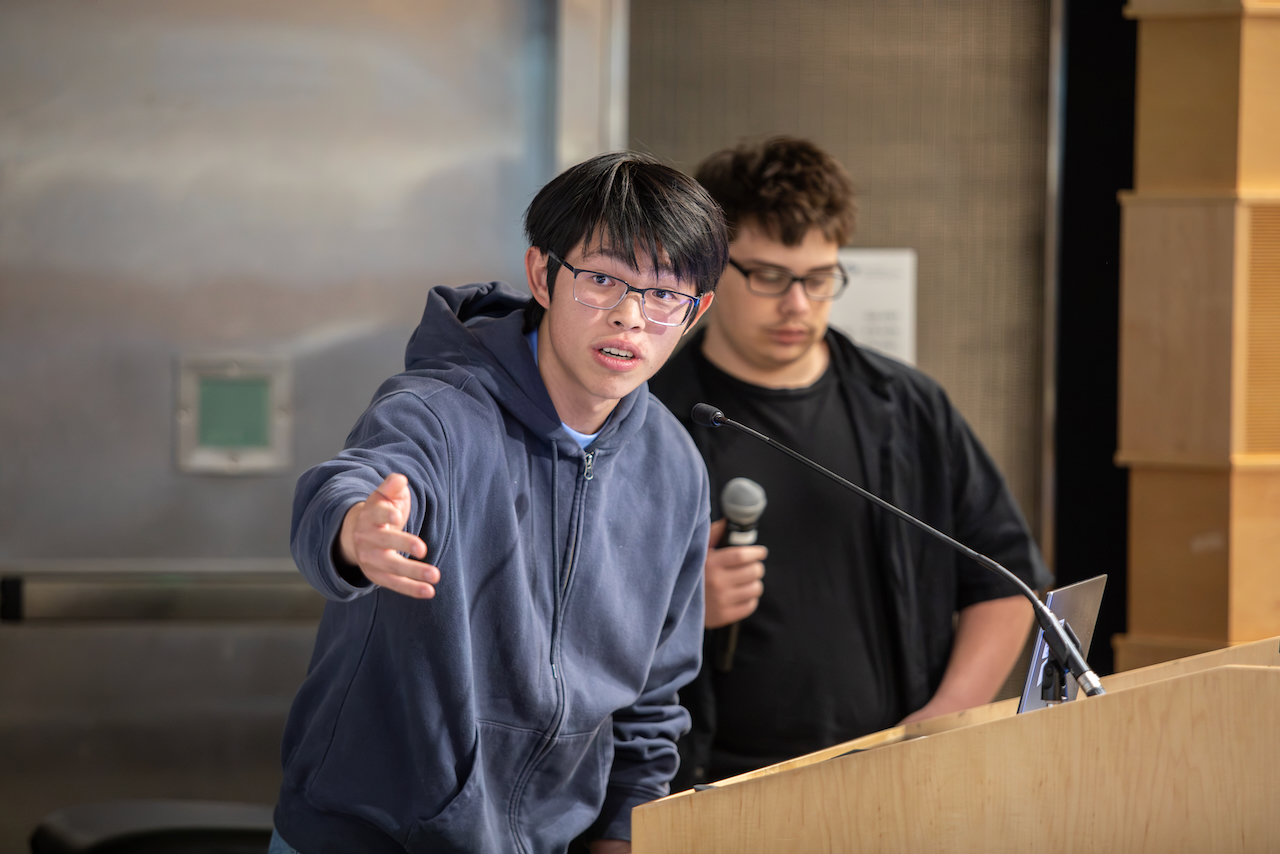
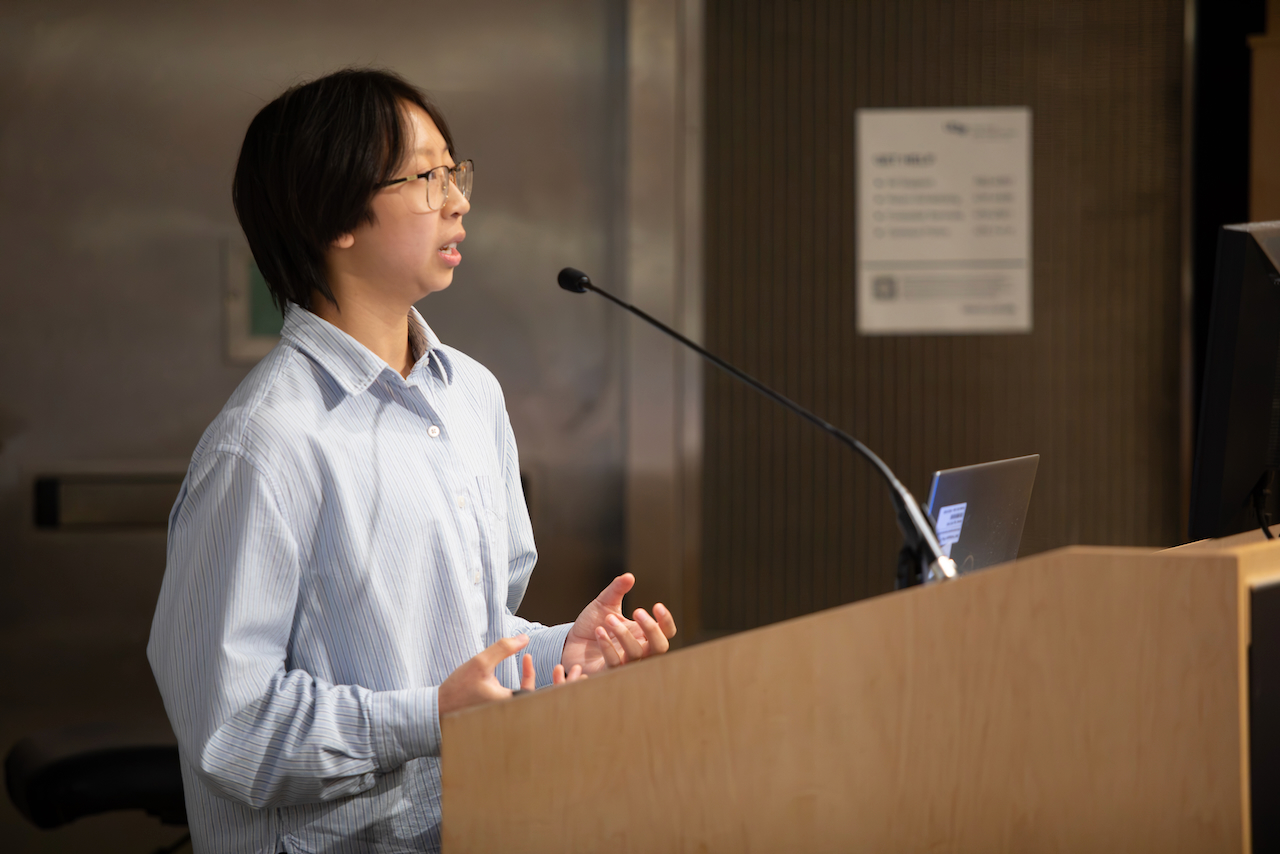
The centerpiece of the symposium was the student research presentations. Twelve high school students from San Francisco Unified School District (SFUSD) shared projects spanning genomics, drug discovery, large language models, clinical prediction, health data, and social computing.
Their presentations included (Student, Faculty, Topic):
1. Kamronbek Ibatov, PI: Nadav Ahituv, Genomic AI for Classifying Cardiac Conditions
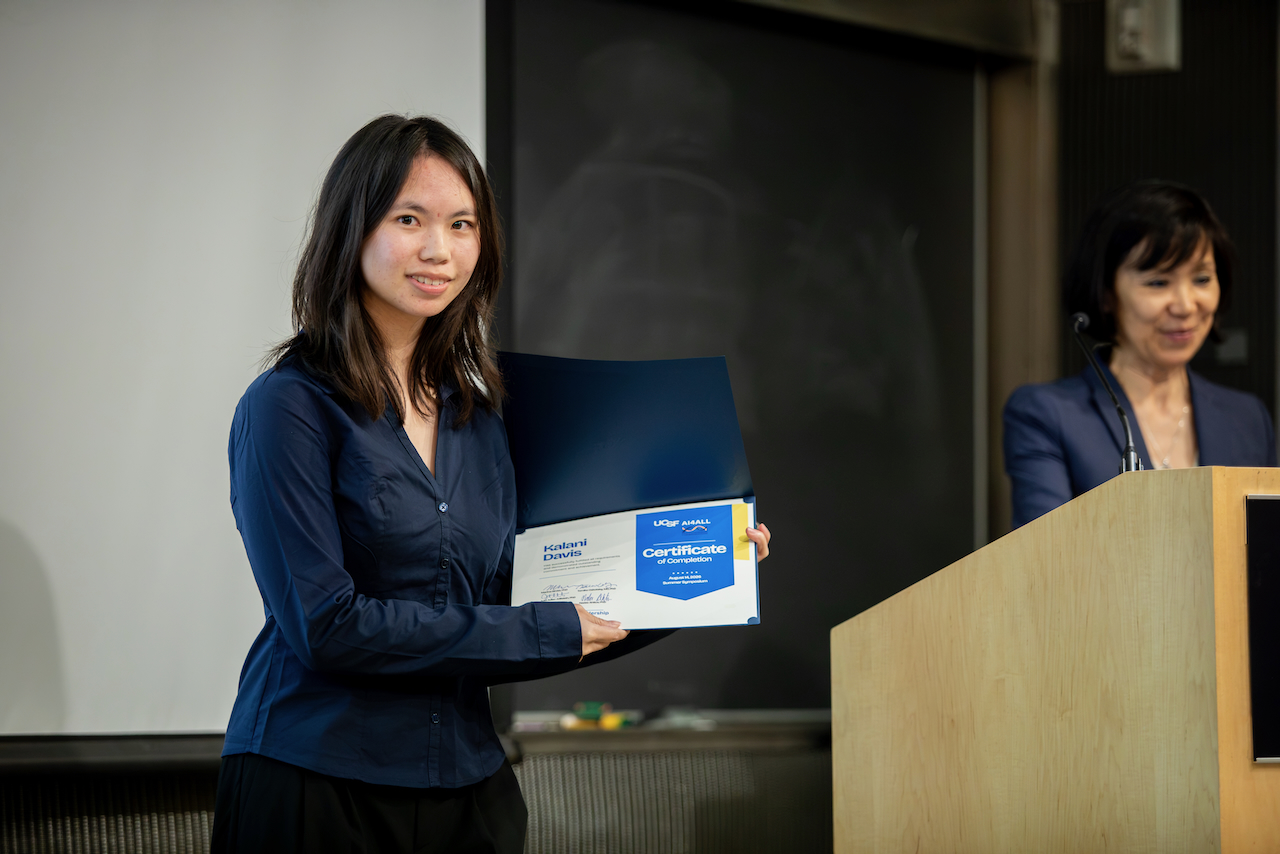
2. Kalani Davis, PI: Marina Sirota, Cell-Type Specific Drug Repurposing for Endometriosis Leveraging Single-Nuclei RNA Sequencing Data
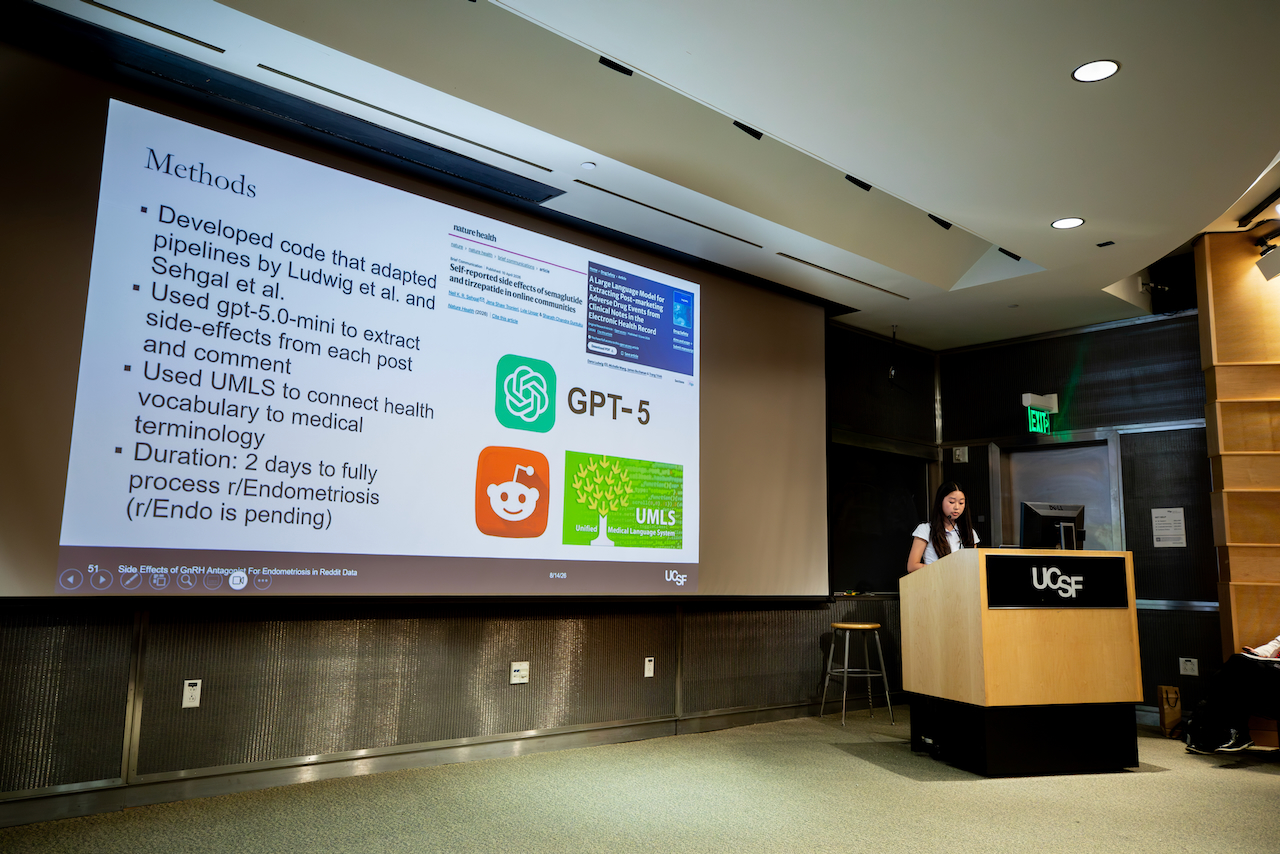
3. Helen Duan, PI: Tomiko Oskotsky, Leveraging AI to Evaluate Self-Reported Side Effects of GnRH Antagonists for Endometriosis in Reddit Communities
4. Ryan Chen, PI: Sergio Baranzini, Mapping Multiple Sclerosis Trajectories Through Clinical Records and Biological Networks
5. Kaitlyn Hau, PI: Pedro Pinheiro-Chagas, Evaluating Psychiatric Symptom Progression in Dementia Patients Using LLM
6. Justin Kuang & Noah Kueffel, PI: Peter Washington, Autoregressive Telemetry Foundation Models for Actionable Prediction of Clinical Deterioration
7. Jessica Lu, PI: Raman Khanna, Assessing Eligibility of Patients with GPA for Avacopan Using a Large Language Model
8. Nicholas Goggin, PI: Xinran Liu, Using Artificial Intelligence to Determine Medication Eligibility for Patients with Hypertrophic Cardiomyopathy
9. Camille Chew, PI: Julian Hong, Lost Between the Lines: How AI and Clinical Notes Can Predict Cancer Early
10. Miley Huang, PI: Julia Adler-Milstein, HCBS (Home and Community-Based Services) Organizations — Closing the Data Gap
11. Anthony Guan, PI: Sachin Pendse, "I Have Big Money Which Means Big Stress”: Examining Teen Discourse Around Prediction Markets in Online Communities
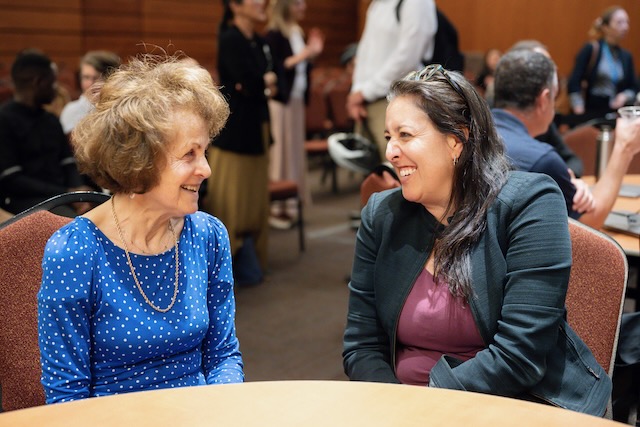
Together, the projects demonstrated both the breadth of contemporary AI research and the creativity with which young researchers can approach important questions in human health. The symposium provided students with an opportunity not only to present their findings, but also to engage with scientists, clinicians, families, and peers and envision future paths in science, medicine, technology, and AI.
The program is led by Marina Sirota, PhD, Professor and Interim Director of the Bakar Computational Health Sciences Institute and AI4ALL Founding Director; Julia Adler-Milstein, PhD, Professor and Chief of the Division of Clinical Informatics & Digital Transformation; Nadav Ahituv, PhD, Professor and Director of the Institute for Human Genetics; Raman Khanna, MD, Professor and Medical Director of Inpatient Informatics; and Tomiko Oskotsky, MD, Associate Professor in the Division of Clinical Informatics & Digital Transformation and our incredible Admin Team which includes Ana Maria Deluca, Edna Rodas, Angela Rizk-Jackson (BCHSI), Stephanie Chuc (Doc-IT), Tiffany Lai (IHG) and Gato Gourley (Doc-IT).
We extend our sincere thanks to the leadership team, faculty mentors, staff, families, supporters, and, most importantly, the students who made the 2026 UCSF AI4ALL program and symposium such a success.
Watch Symposium video here: https://www.youtube.com/live/mbLZw3wCZx8 | Event website
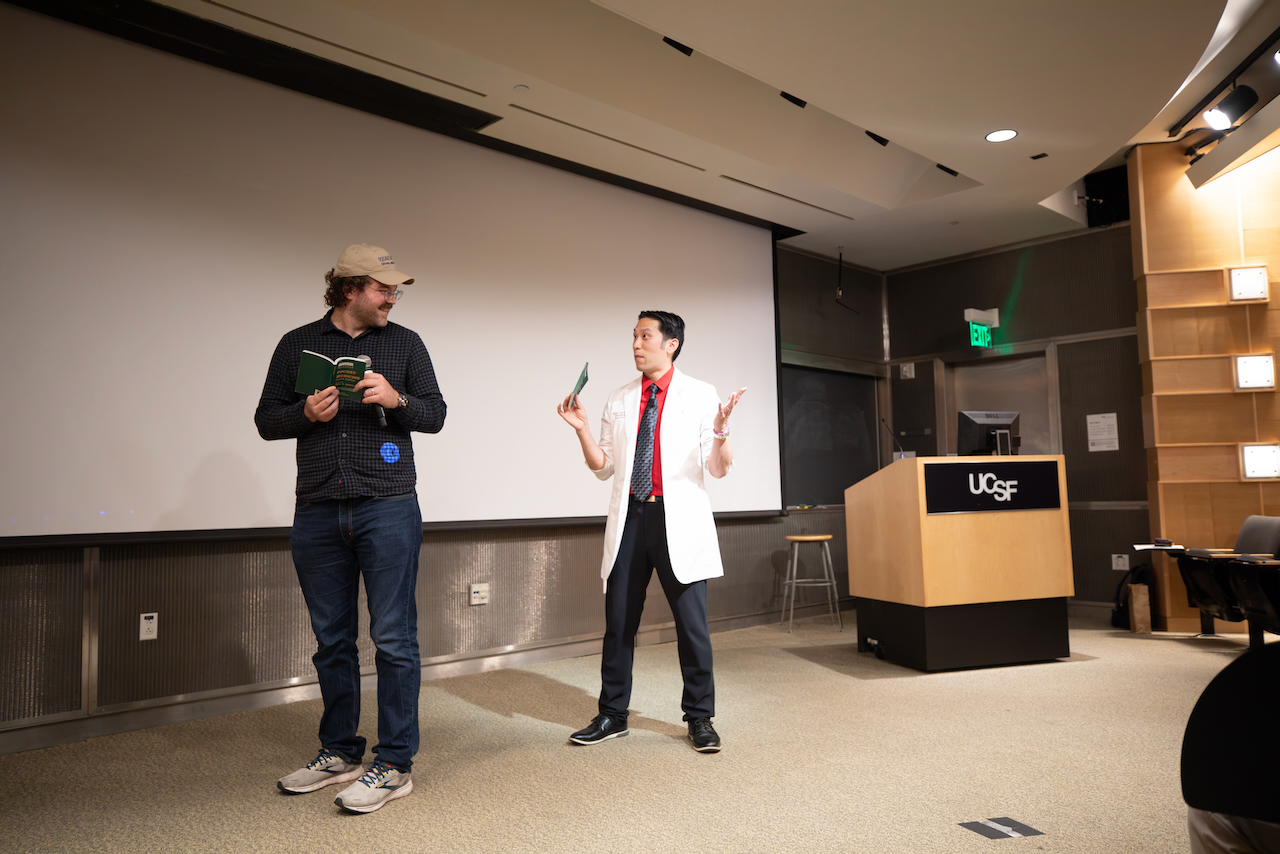
Photo Highlights - Photography by Brian Feulner:
Women's health startup recognized for innovation in precision medicine
…
A multidisciplinary team from UCSF, including investigators at the Bakar Computational Health Sciences Institute, explored Alzheimer’s disease using a novel, cell–specific approach. Supported by…